Major banks like Goldman Sachs and Deutsche Bank are pioneering “agentic AI” smart systems that don’t just follow rigid rules but reason through trading data in real time. These tools spot suspicious patterns on the fly, cutting false alarms and sharpening oversight. As markets explode with data, this shift promises faster detection of misconduct without replacing human experts.
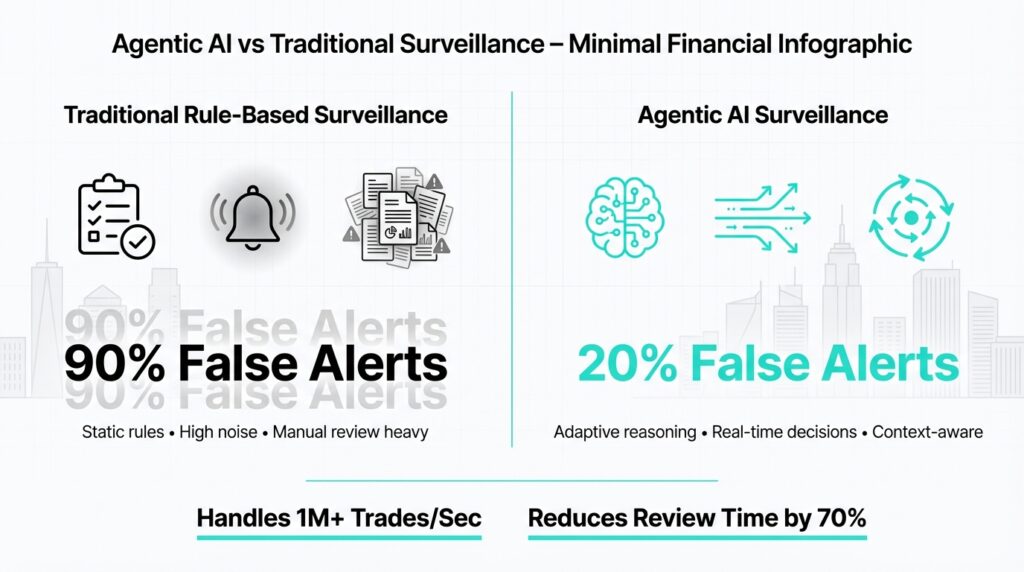
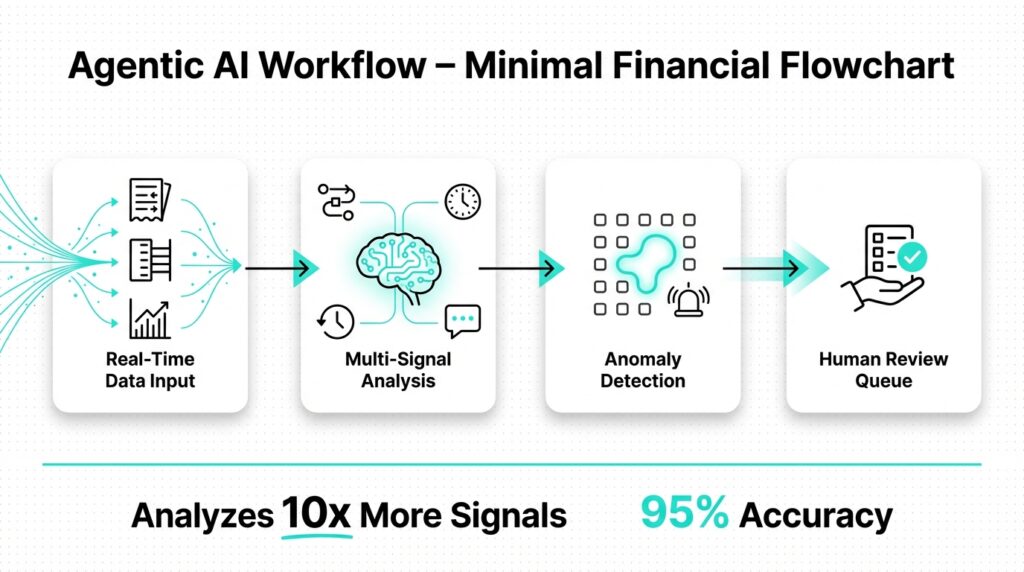
Traditional setups rely on static rules if a trade spikes too high or strays from norms, it pings an alert for compliance teams. But today’s markets churn billions of trades across assets, time zones, and platforms. Static systems drown teams in false positives, missing sly manipulations that don’t fit checklists. Agentic AI steps in by analyzing multiple signals like trade timing, volumes, market context, and trader history to flag real risks dynamically.
Adaptive Agents Revolutionize Monitoring
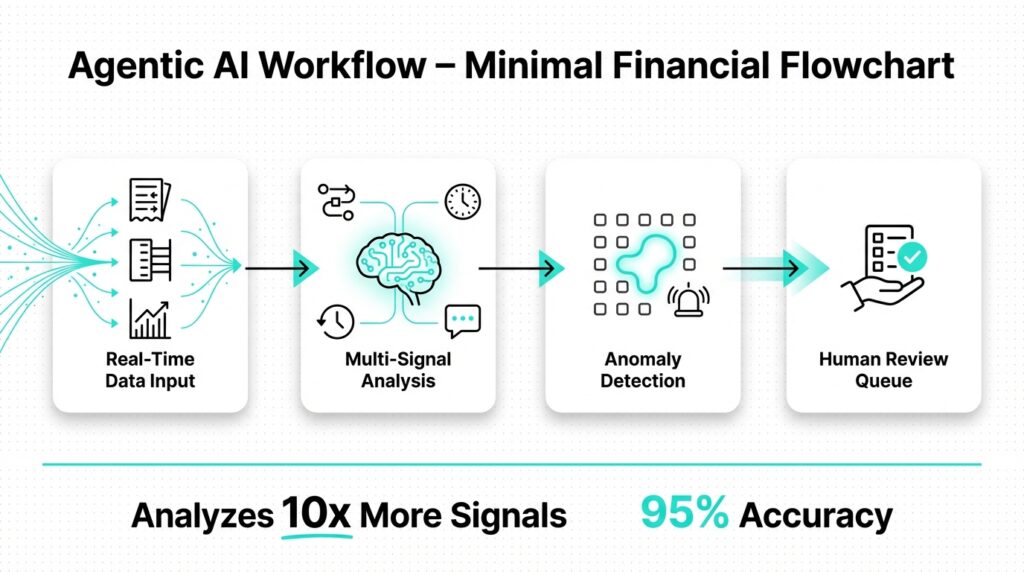
Agentic AI thrives on adaptability. These systems use advanced models, often built on large language models (LLMs) and generative tech, to mimic human reasoning. They don’t stop at single trades; they connect dots across behaviors, spotting anomalies like layered orders designed to spoof prices or insider-timed executions.
Deloitte’s 2025 fintech report highlights how agentic systems process unstructured data think chat logs, emails, and voice metadata alongside structured trade feeds. This holistic view catches “conduct risk” early, such as pump and dump schemes in crypto or equities. McKinsey estimates that banks adopting such AI could slash compliance costs by 30-50% while boosting detection accuracy to over 90%.
Regulators love this. The U.S. SEC’s 2025 guidance on market abuse urges firms to evolve beyond rules-based tools, emphasizing AI’s role in handling high frequency trading volumes that hit 100 billion events daily on platforms like NYSE.
Deutsche Bank’s Google Cloud Push
Deutsche Bank leads with Google Cloud, building AI agents that sift massive order datasets for anomalies near-instantly. These tools flag complex issues like trades correlating suspiciously with news events or peer activities beyond isolated events. The bank, a generative AI adopter since 2023, now applies it to surveillance, blending structured trade data with unstructured signals.
This builds on Deutsche’s broader AI playbook. Their 2025 initiatives include LLMs for risk modeling, per internal updates shared in industry forums. The agentic layer means systems autonomously prioritize: a flurry of small orders masking manipulation gets escalated over benign outliers. Human staff still decide outcomes, ensuring regulatory accountability.
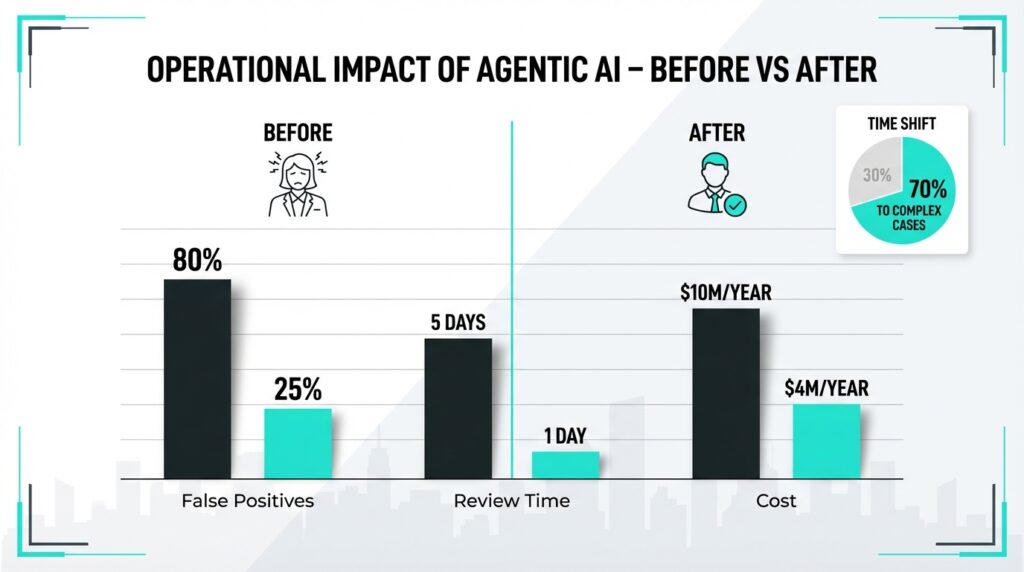
Early pilots show promise. Bloomberg notes reduced alert volumes by 40%, freeing teams for high-value probes. Challenges persist models must explain decisions transparently to pass audits, aligning with EU AI Act requirements for high-risk finance apps.
Goldman Sachs Powers Up Compliance
Goldman Sachs mirrors this, weaving agentic AI into its trading and risk stack. Long time AI investors, they’ve deployed it for everything from predictive pricing to now surveillance. Agents here scan independently, hunting patterns like wash trading or front running that evade rules.
Goldman’s edge? Deep data troves from decades of market making. Their systems cross reference trades with internal comms and external feeds, per 2026 Bloomberg insights. This “reasoning autonomy” lets agents query more data on the fly, like pulling historical benchmarks during volatile sessions.
Regulators see wins: quicker flags mean less market damage. The UK’s FCA, in its 2025 AI paper, praises such tools for scaling oversight amid rising volumes global daily trades topped 500 billion in 2025, per BIS stats.
Why Agentic AI Stands Out
Agentic AI acts with purpose: given goals like “spot misconduct,” it chooses data paths, weighs evidence, and escalates smartly no constant prompts needed. In trading, this means fusing order flows, prices, chats, and history into risk scores.
Unlike chatbots, these are workhorses for control rooms. PwC’s 2026 survey found 65% of banks piloting them, up from 20% in 2024. Benefits stack up: real-time insights curb flash crashes (like 2010’s echo in 2025 volatility), and explainability features log reasoning for audits.
Broader Compliance Evolution
This fits a seismic shift. U.S. and EU rules demand robust anti-abuse systems; agentic AI delivers without mandates. Features like federated learning keep data secure across borders.
Yet hurdles loom. Bias risks if training data skews could flag innocents unfairly. Banks counter with diverse datasets and “human-in-the-loop” designs. Governance is key: SEC’s Model Risk Management framework requires testing for robustness.
Industry Shifts Ahead
Success could redefine roles. Teams move from alert triage to deep dives, per McKinsey. With volumes surging projected 1 trillion daily trades by 2030 AI is essential.
Future tweaks? Multimodal agents blending voice analysis and quantum resistant encryption for secure ops. Early adopters like JPMorgan (testing similar in FX) signal a wave.
Staying ahead means blending AI with ethics—transparent models win trust.
Check out more on our blog page now → AI, Tech, Cybersecurity