
A hacktivist group known as Department of Peace has claimed responsibility for infiltrating the U.S. Department of Homeland Security (DHS), leaking sensitive contract data tied to Immigration and Customs Enforcement (ICE). This bold move targets government partnerships with major tech and defense firms amid rising tensions over immigration policies. The incident, reported on March 2, 2026, underscores the growing clash between digital activism and national security.
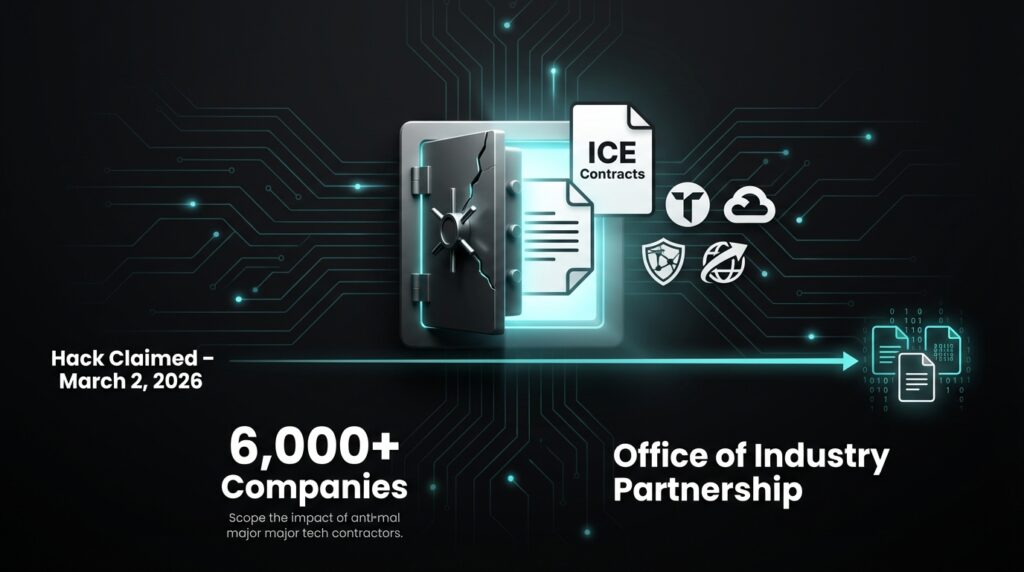
The Hack and Leaked Data
The group allegedly accessed records from DHS’s Office of Industry Partnership, which handles procurement from private vendors. On Sunday, nonprofit DDoSecrets published the dataset online, detailing contracts between ICE, DHS, and over 6,000 companies. These include defense giants like Anduril, L3Harris, Raytheon, surveillance firm Palantir, and tech leaders Microsoft and Oracle.
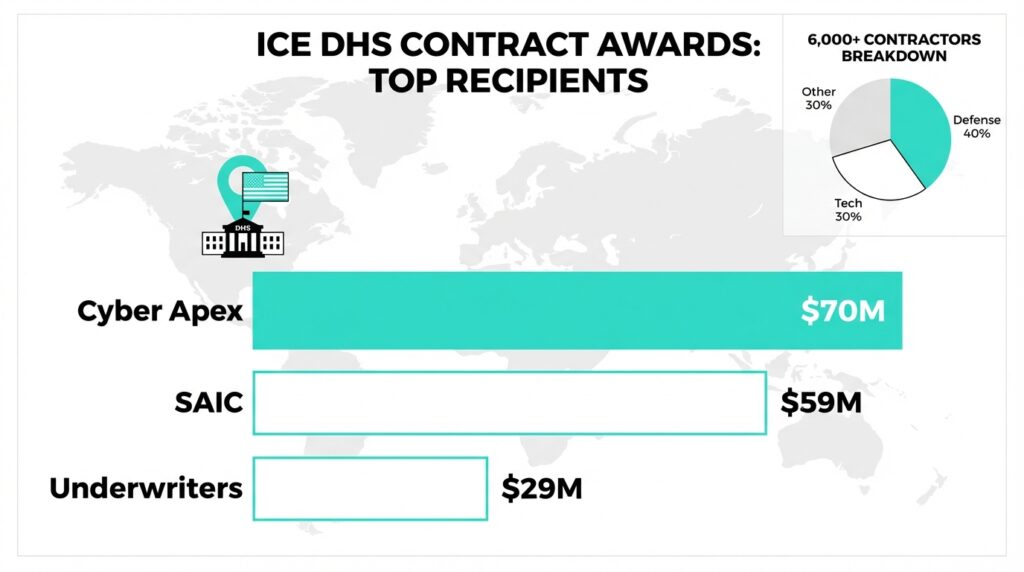
Security researcher Micah Lee organized the files into a searchable website, revealing contractor names, award amounts, project details, and personal contacts like emails and phone numbers. Top awards went to Cyber Apex Solutions ($70 million for critical infrastructure security), Science Applications International Corporation ($59 million for AI services), and Underwriters Laboratories ($29 million for testing and certification).
This breach exposes how deeply private sector tech integrates with immigration enforcement, fueling debates on transparency in government spending.
Hacktivists’ Bold Motives
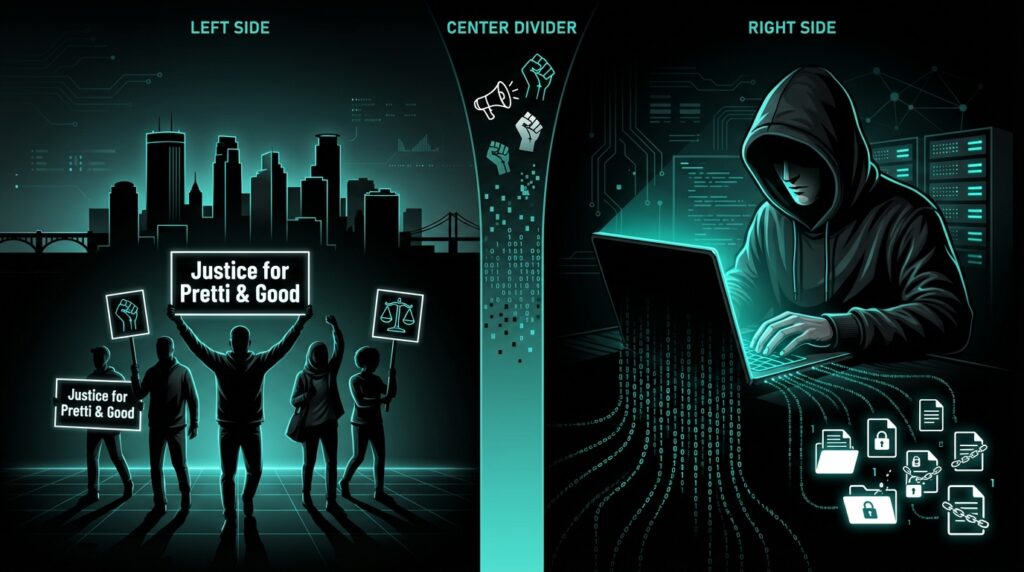
Department of Peace cited outrage over federal actions, specifically the killings of U.S. citizens Alex Pretti and Renée Good, peaceful protesters shot by agents in Minneapolis earlier in 2026. Their manifesto reads: “Why hack DHS? Pretti Good reasons! DHS is killing us, and people deserve to know which companies support them.”
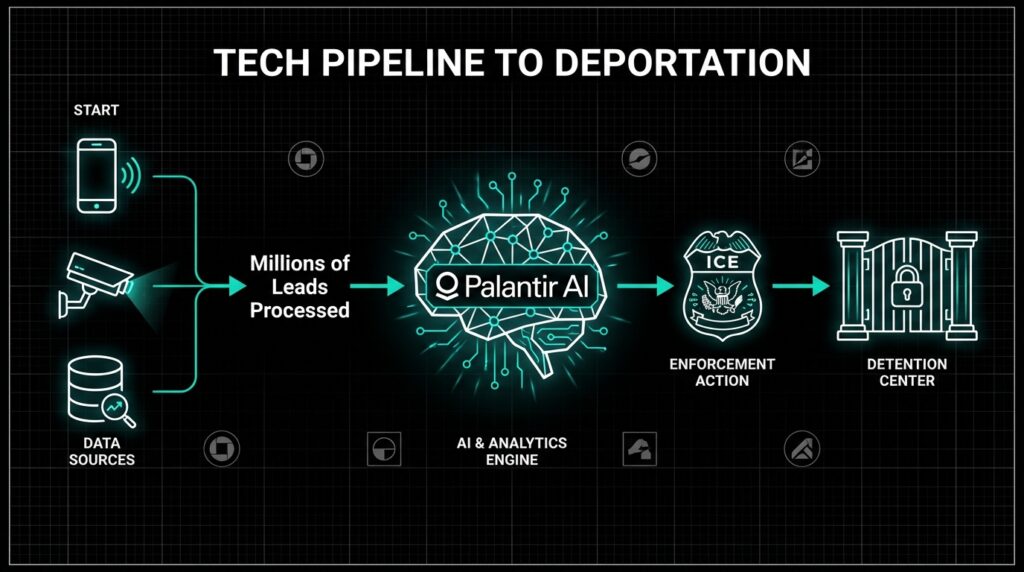
This action protests ICE’s mass deportation push under President Trump, which has ramped up since his 2025 inauguration. Agents have targeted individuals with minimal criminal histories, holding them in facilities criticized for inhumane conditions like overcrowding and poor medical care. Palantir’s software plays a key role, tracking immigrants via predictive algorithms and data fusion.
Hacktivism like this blends ideology with cyber intrusion, often aiming to expose perceived injustices through data dumps rather than financial gain.
Tech’s Role in Deportations
Since Trump’s reelection, ICE has leaned heavily on technology for its enforcement surge. Palantir’s Gotham platform integrates vast datasets social media, license plates, biometrics to flag deportation priorities. Microsoft and Oracle provide cloud infrastructure for storing detainee records, while Anduril deploys AI driven border drones and sensors.
These tools enable rapid raids and tracking, but critics argue they erode privacy and enable racial profiling. For instance, ICE’s FALCON system, powered by such tech, has processed millions of leads, leading to over 100,000 deportations in early 2026 alone. Reports highlight error rates in AI predictions, sometimes separating families unjustly.
This fusion of Big Tech and border control raises ethical red flags: How much surveillance is too much in the name of security?
Key Contractors Spotlighted
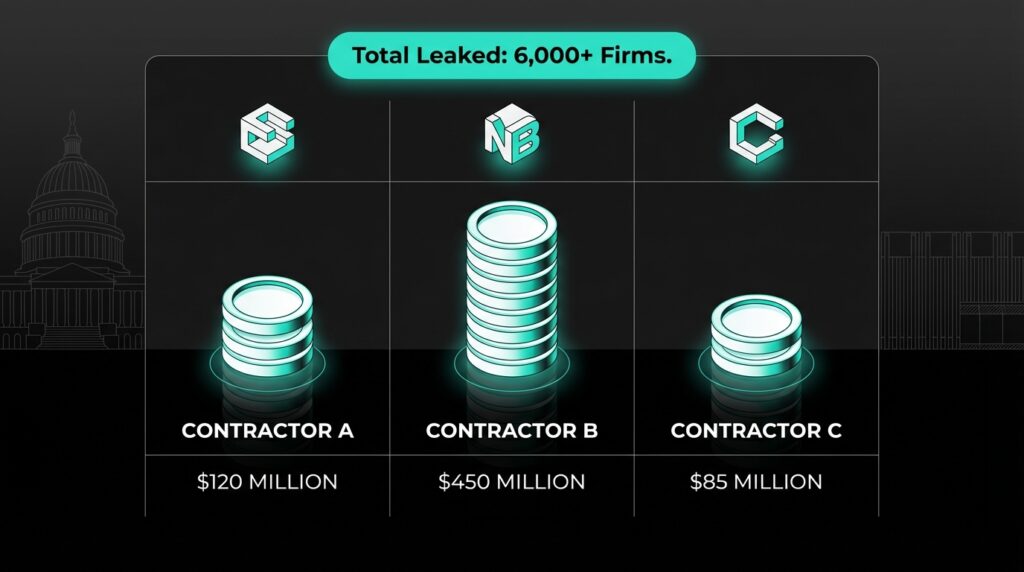
The leaks name thousands of vendors, but heavyweights dominate funding:
These firms defend their work as vital for national safety, but the exposure prompts scrutiny on profit motives in immigration ops. Smaller players like Cyber Apex, with a basic website touting “security gap filling,” now face public backlash.
Broader Hacktivism Trends
This isn’t isolated hacktivists have targeted immigration before. In 2025, groups like Com doxxed ICE and FBI officials, leaking personal data to disrupt operations. DDoSecrets, a key publisher here, has hosted terabytes of such dumps, from police records to corporate secrets, positioning itself as a digital WikiLeaks.
DHS reports a 300% rise in cyber probes since 2025, linking many to anti-deportation activists. Yet verification lags; not all leaks are authentic, and false data can harm innocents. Micah Lee’s site adds value by indexing, but it also amplifies risks like doxxing contacts.
As AI bolsters both hackers and defenders, expect more cat and mouse games in cyberspace.
Cybersecurity Implications
Breaches like this test DHS’s defenses, rooted in the vulnerable Office of Industry Partnership. Experts note outdated software and insider risks as entry points, common in government procurement arms. Post-leak, expect audits and vendor vetting tighten.
For companies, it’s a wake up: Contracts with feds mean hacker magnets. Palantir, no stranger to controversy, has defended its ethics, but leaks erode trust. Individuals named emails, phones face phishing spikes.
Businesses should prioritize zero trust models, encrypt procurement data, and monitor dark web dumps. This event signals escalating hybrid threats where activism meets advanced persistent threats (APTs).
Immigration Policy Backdrop
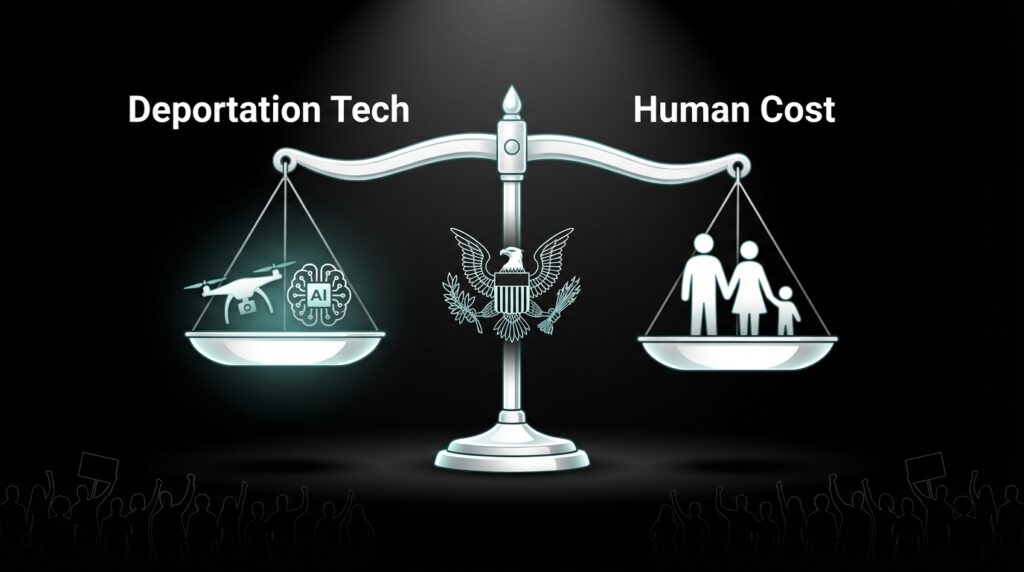
Trump’s 2025 return supercharged deportations, aiming for “millions” via expanded ICE powers. Facilities strain at 90% capacity, with lawsuits over conditions mounting. Tech aids efficiency but amplifies scale drones spot crossings, AI predicts no-shows.
Public divide grows: Supporters hail border security wins; opponents decry humanitarian costs. Leaks like this could sway opinion, pressuring contractors to divest or go public on ethics.
Final Thoughts on Transparency
This hack reignites calls for open procurement data, arguing sunlight disinfects abuses. Yet it blurs lines whistleblowing or crime? DHS/ICE silence fuels speculation, but responses may clarify authenticity.
For tech watchers, it’s a reminder: Innovation serves policy, for better or worse. Stay vigilant as cyber-activism evolves.
Check out more on our blog page now → AI, Tech, Cybersecurity