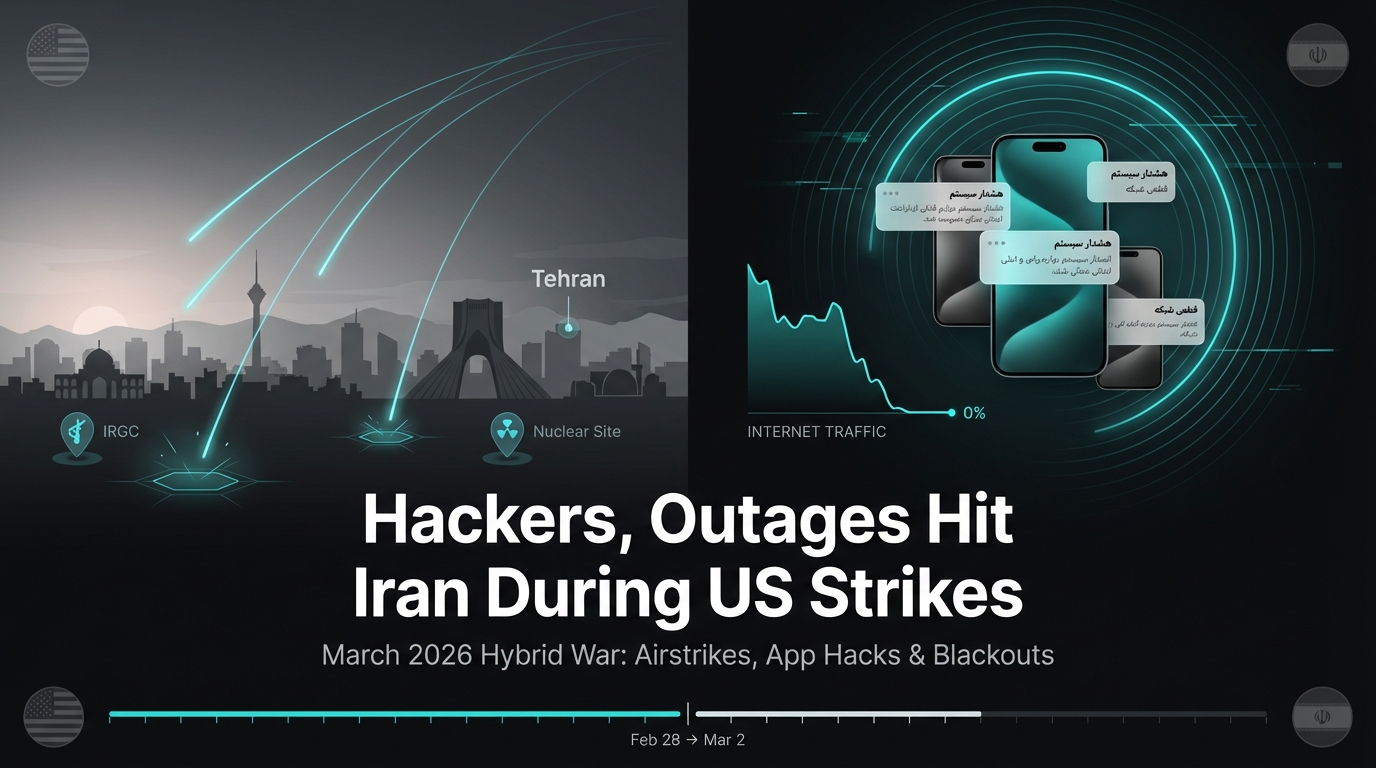
On March 2, 2026, US and Israeli airstrikes targeted major Iranian cities like Tehran, killing Supreme Leader Ali Khamenei and top officials. These attacks coincided with massive cyberattacks, including a hack on the popular BadeSaba prayer app and a near total internet blackout. The events followed failed US Iran talks amid deadly protests and prior shutdowns.
Buildup to the Strikes
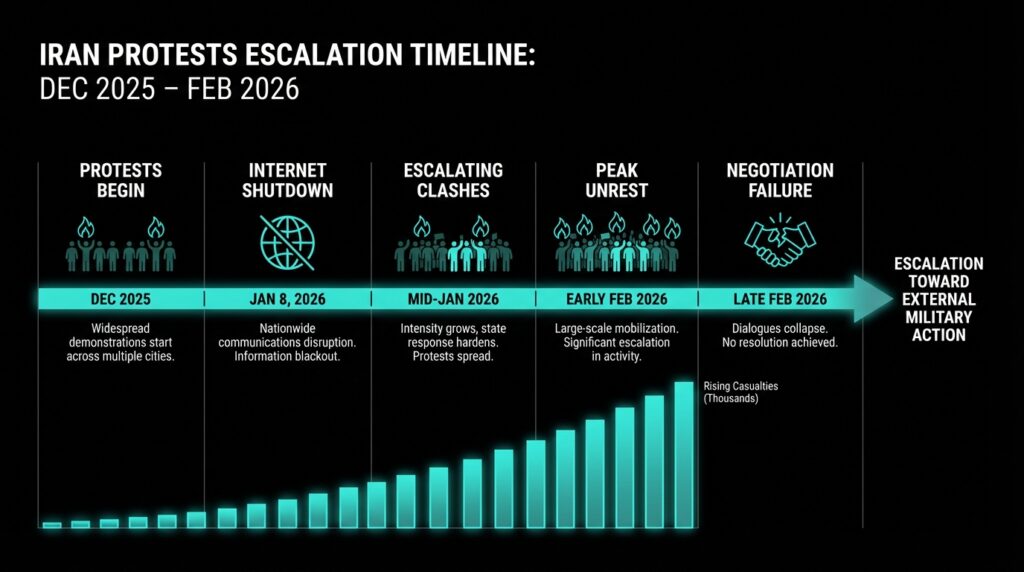
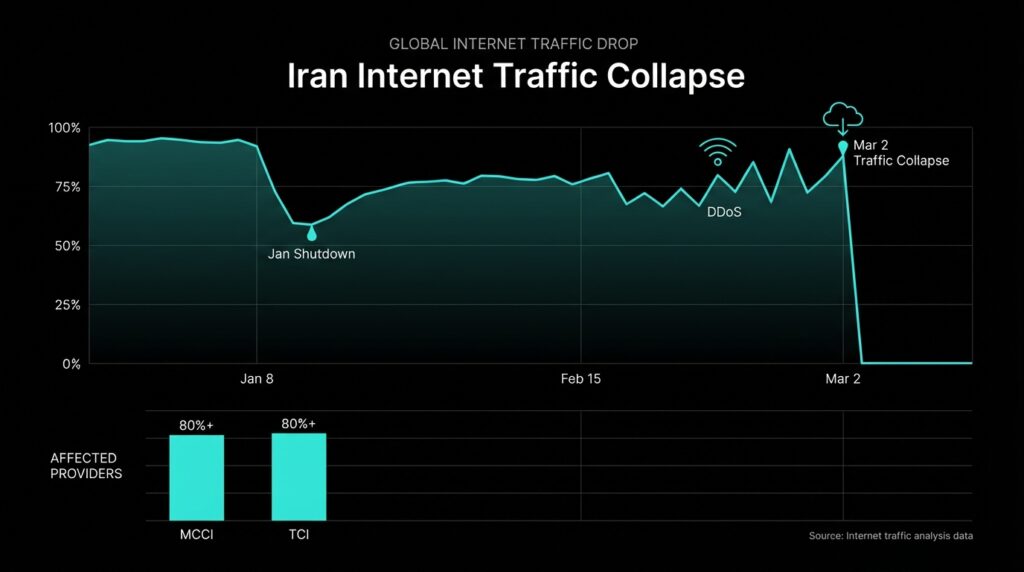
Protests erupted across Iran in late 2025, demanding regime change and leading to thousands of deaths. By January 2026, authorities imposed one of the longest internet blackouts ever, dropping traffic to near zero via blocks on providers like MCCI and IranCell. Failed negotiations between Tehran and Washington under President Trump set the stage for military action.
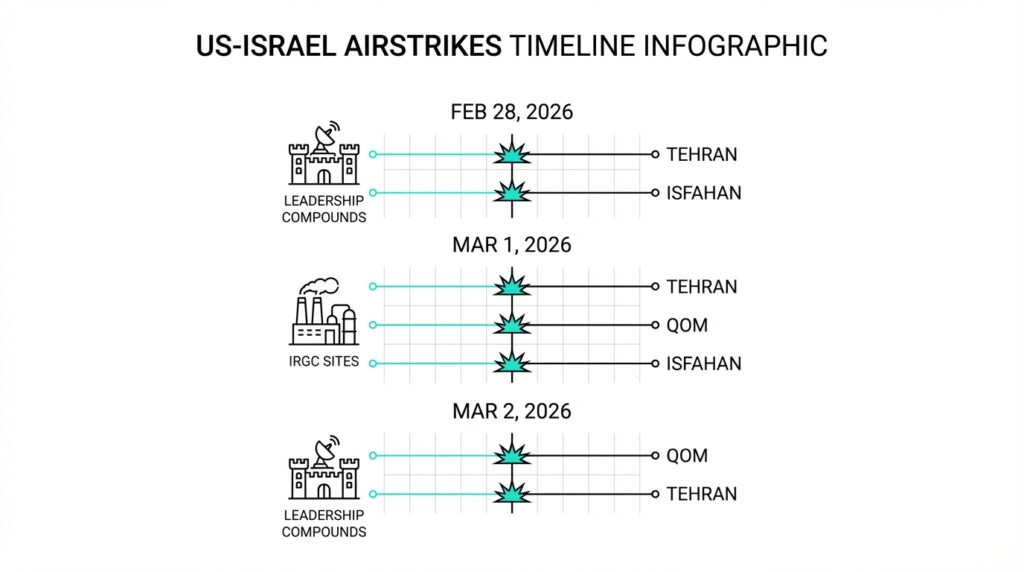
The strikes, codenamed Operation Roaring Lion and Epic Fury, hit IRGC facilities, nuclear sites in Isfahan and Qom, and leadership in Tehran. Death tolls climbed to over 555 civilians by March 2. GPS jamming and Starlink disruptions added to communication chaos, with 30-80% packet loss reported. These tactics crippled coordination for Iranian defenses effectively.
Prayer App Hack Unleashes Messages
Users of BadeSaba Calendar, a Muslim prayer app with over 5 million Google Play downloads (some reports cite 37 million installs), got flooded with push notifications starting 9:52 AM Tehran time on February 28. Messages like “Help Has Arrived,” “Time for Reckoning,” and calls for soldiers to “lay down arms and join the liberation army” appeared, promising amnesty for uprising against the regime.
Experts suspect Israeli hackers compromised the backend for instant blasts to millions, a tactic echoing past fake alerts from trusted sources. No group claimed responsibility, but it sowed doubt amid controlled media. In Iran’s environment, even partial reach via such apps is powerful psychological ops, potentially swaying military loyalty.
Internet Collapses Nationwide
Post-strikes, Iran’s internet plunged to near zero, confirmed by Kentik’s Doug Madory and Cloudflare Radar. This mirrored January’s protest shutdown but was intensified by DDoS, electronic warfare on IRGC comms, and national intranet failures. Targets included energy, aviation, and news sites, blinding leadership.
Over 150 hacktivist incidents spiked, blending with strikes in a hybrid war. Prior US-Israel ops hit Iranian banks and crypto exchanges in 2025, pressuring the post-1979 revolution regime. Jerusalem Post called it Israel’s largest cyberattack ever. Iranian hackers like Cyber Fattah and Fatimion responded with DDoS on US sites.
Wider Disruptions Spread
Iran retaliated with missiles, hitting UAE where Amazon’s ME data center sparked fire from debris, causing outages. Strait of Hormuz shipping halted, slamming e-commerce: Bandar Abbas port throughput fell 40%, tankers anchored, insurance soared.
Global supply chains face delays in oil (20% world supply via strait), goods to Middle East/Europe. Hezbollah/Houthis ramped proxy attacks, risking energy/finance sectors worldwide. Oil prices surged 15% overnight, hitting emerging markets hardest with currency crashes and supply shortages. Maritime rerouting added weeks to deliveries.
Cyberwar’s New Tactics
This marks hybrid warfare evolution: missiles plus app hacks for psyops, targeting civilians/soldiers directly. Past Iran protests saw similar blackouts to hide crackdowns; now, external actors exploit them. US under Trump pushes regime change, escalating from sanctions to strikes.
Experts warn of risks to tied nations’ infrastructure. As Iran proxies activate, watch for cyber retaliation on West. Event underscores app vulnerabilities in geopolitics trusted tools as weapons. DHS anticipates Iranian hits on US networks, possibly with Russian aid.
Global Reactions and Outlook
World leaders diverged sharply: Trump hailed strikes as Iran’s “greatest opportunity” for freedom, urging uprising. Australia and Canada backed actions; Russia, China criticized, calling for talks. E3 (France, Germany, UK) condemned Iranian retaliation but stayed neutral on strikes.
The hybrid conflict risks broader escalation, with cyber spillover to global energy and finance. Oil shocks could cut Iranian revenues 35%, pressuring its economy further. Monitoring hacktivists and proxies remains key as tensions persist into March 2026
Check out more on our blog page now → AI, Tech, Cybersecurity