
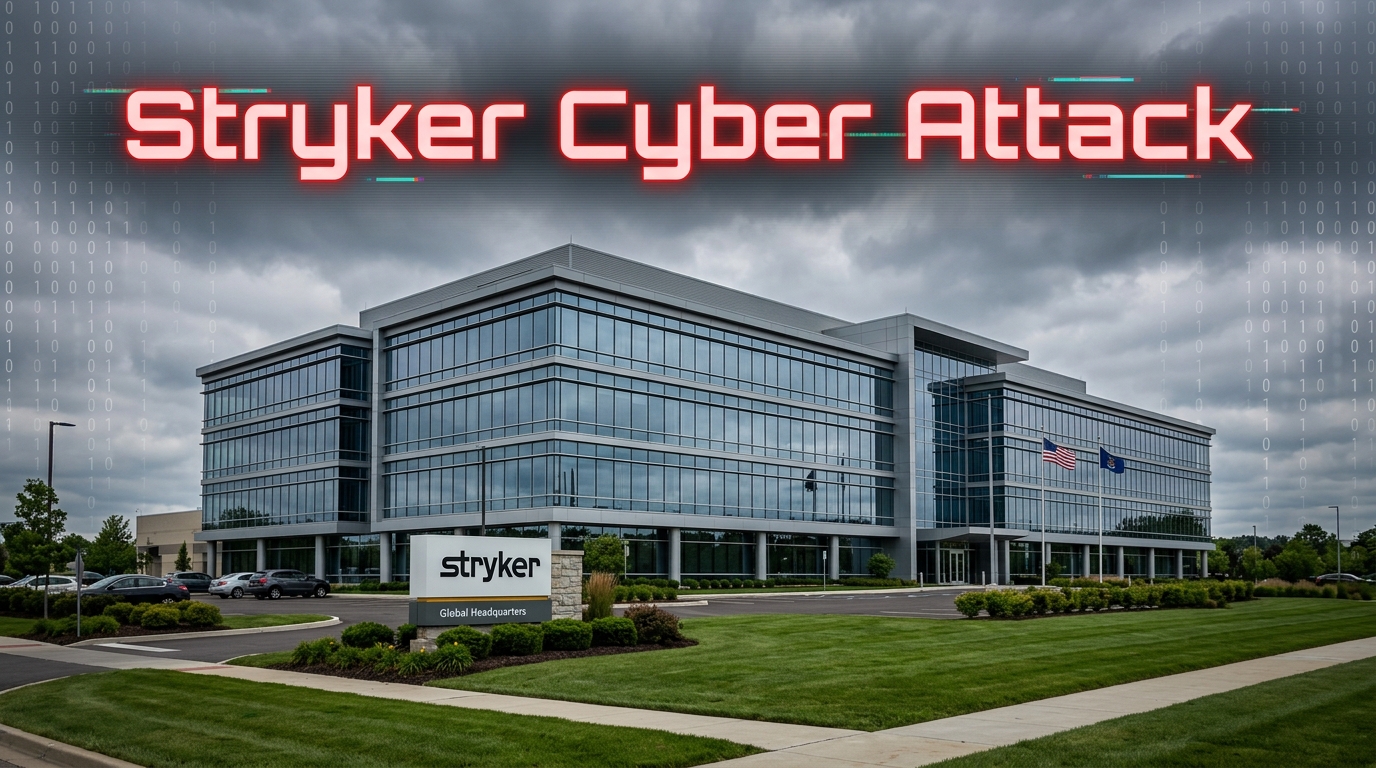
In a shocking development that has sent ripples through the medical technology sector, Stryker, a leading medical device manufacturer, has reportedly fallen victim to a sophisticated cyber attack. According to recent claims by hackers, they have successfully breached Stryker’s systems and wiped critical devices, raising serious concerns about the security of medical infrastructure and patient safety.
The Cyber Attack Unveiled
The cyber attack on Stryker, which has not yet been officially confirmed by the company, allegedly involved hackers gaining unauthorized access to the company’s network and subsequently wiping data from connected medical devices. This type of attack, often referred to as a “wiper” attack, is designed to destroy data and render systems inoperable.
While Stryker has not released detailed information about the incident, the hackers’ claims suggest a level of sophistication that is particularly alarming given the critical nature of Stryker’s products. The company is known for manufacturing a wide range of medical devices, including surgical equipment, patient handling systems, and neurotechnology products.
Implications for Healthcare and Patient Safety
The potential breach of Stryker’s systems and the alleged wiping of devices could have far-reaching consequences for healthcare providers and patients alike. Medical devices are increasingly interconnected and rely on software for their operation. A successful attack on these systems could lead to device malfunctions, loss of critical patient data, and even life-threatening situations in surgical or emergency care settings.
Moreover, the trust that healthcare professionals place in medical device manufacturers is paramount. If these claims are substantiated, it could lead to a crisis of confidence in Stryker’s products and potentially impact the company’s relationships with hospitals and clinics worldwide.
The Growing Threat to Medical Device Security
This incident highlights the growing threat to medical device security in an increasingly connected world. As medical devices become more sophisticated and networked, they also become more vulnerable to cyber attacks. The healthcare sector has become an attractive target for cybercriminals due to the sensitive nature of patient data and the critical role these devices play in patient care.
The Stryker cyber attack serves as a stark reminder of the need for robust cybersecurity measures in the medical device industry. Manufacturers must prioritize security in the design and development of their products, implementing features such as encryption, secure boot processes, and regular security updates to protect against evolving threats.
Response and Mitigation Strategies
In the wake of this alleged attack, Stryker and other medical device manufacturers must take immediate steps to assess and strengthen their cybersecurity posture. This includes conducting thorough security audits, implementing multi-factor authentication, and establishing incident response plans to quickly address any future breaches.
For healthcare providers using Stryker devices, it is crucial to review and update their own cybersecurity protocols. This may involve segmenting medical device networks, regularly patching software, and training staff on cybersecurity best practices. Additionally, having backup systems and contingency plans in place can help mitigate the impact of any potential device failures.
The Role of Regulatory Bodies
This incident also underscores the need for stronger regulatory oversight in the medical device industry. Regulatory bodies such as the U.S. Food and Drug Administration (FDA) and the European Medicines Agency (EMA) may need to update their guidelines to address the growing cybersecurity risks associated with connected medical devices.
Manufacturers like Stryker may face increased pressure to demonstrate the security of their products through rigorous testing and certification processes. This could lead to the development of new industry standards and best practices for medical device cybersecurity.
Looking Ahead: The Future of Medical Device Security
As the healthcare industry continues to embrace digital transformation, the importance of cybersecurity in medical devices will only grow. The Stryker cyber attack serves as a wake-up call for the entire sector, highlighting the need for a proactive approach to security.
Moving forward, we can expect to see increased investment in cybersecurity research and development within the medical device industry. This may include the adoption of advanced technologies such as artificial intelligence and machine learning to detect and respond to threats in real-time.
Furthermore, collaboration between device manufacturers, healthcare providers, and cybersecurity experts will be crucial in developing comprehensive strategies to protect patient safety and data integrity. The sharing of threat intelligence and best practices across the industry can help create a more resilient healthcare ecosystem.
Conclusion
The alleged Stryker cyber attack and the claims of system breaches and device wipes represent a significant challenge to the medical device industry and healthcare sector as a whole. As investigations continue and more details emerge, it is clear that this incident will have lasting implications for how we approach the security of critical medical infrastructure.
Stryker and other manufacturers must now navigate the complex task of restoring trust, enhancing their security measures, and ensuring the continued reliability of their life-saving devices. For healthcare providers, patients, and regulators, this event serves as a crucial reminder of the importance of cybersecurity in an increasingly connected medical landscape.
As we move forward, the lessons learned from this incident will undoubtedly shape the future of medical device security, potentially leading to more robust protections and a safer healthcare environment for all. The Stryker cyber attack may well be remembered as a turning point in how we approach the intersection of healthcare technology and cybersecurity.
Check out more on our blog page now → AI, Tech, Cybersecurity