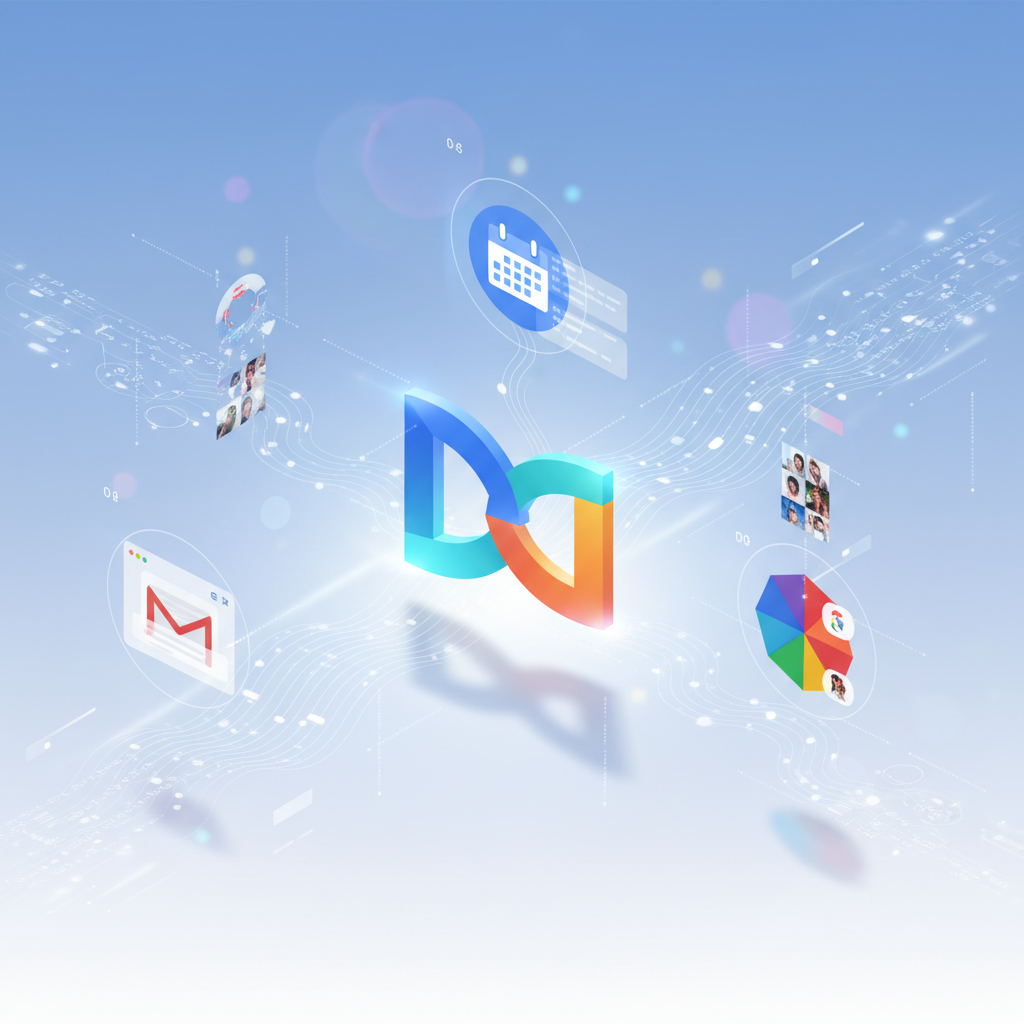
Google announced on Tuesday that it’s expanding Personal Intelligence, its feature that allows its AI assistant to tailor its responses by connecting across your Google ecosystem, such as Gmail and Google Photos, to all users in the U.S. Previously only available to paid users, Personal Intelligence is available in AI Mode in Search, the Gemini app, and Gemini in Chrome.
Understanding Personal Intelligence
Personal Intelligence represents a significant advancement in how AI assistants can provide truly personalized experiences. At its core, this feature enables Google’s AI to access and synthesize information from across your Google services to deliver more contextually relevant responses.
Imagine asking your AI assistant about your upcoming travel plans. With Personal Intelligence enabled, the assistant can pull information from your Gmail to find flight confirmations, check your Google Calendar for scheduled activities, and even reference photos from Google Photos to remind you of places you’ve visited before. This creates a seamless, integrated experience that feels genuinely helpful rather than generic.
What’s New in the Expansion
The most significant change is that Personal Intelligence is now available to all users in the United States, not just those with paid subscriptions. This democratization of AI personalization means millions more people can benefit from a more intelligent, context-aware assistant.
The feature is accessible through multiple touchpoints:
- AI Mode in Google Search
- The standalone Gemini app
- Gemini integrated within the Chrome browser
This multi-platform availability ensures that whether you’re searching on desktop, using your phone, or browsing the web, you can access a personalized AI experience.
How Personal Intelligence Works
Personal Intelligence functions by creating connections between your various Google services. When enabled, the AI can:
Analyze your communications – Scan emails to understand your plans, commitments, and interests
Review your schedule – Access calendar events to provide timely reminders and suggestions
Reference your media – Look at photos and videos to recall past experiences or identify people and places
Synthesize information – Combine data from multiple sources to answer complex questions about your life
For example, you might ask, “When was my last dentist appointment, and when should I schedule the next one?” Personal Intelligence could find the appointment in your Gmail, check your calendar for availability, and even suggest dental offices you’ve used before based on your location history.
Privacy Considerations
With great personalization comes important privacy questions. Google has emphasized that Personal Intelligence is an opt-in feature, meaning users must actively enable it. The company also states that:
Data processing happens with user consent – The AI only accesses information from services you’ve explicitly allowed
Privacy controls are available – Users can manage what information Personal Intelligence can access
Data isn’t shared without permission – Your personal information remains private to your account
However, privacy-conscious users should review their settings carefully and understand exactly what they’re sharing before enabling this feature.
The Competitive Landscape
Google’s expansion of Personal Intelligence comes as tech companies race to create the most helpful AI assistants. Competitors like Apple, Microsoft, and Amazon are all developing similar features that connect across their ecosystems.
What sets Google apart is the depth of information available through its services. With years of email history, photos, documents, and search data, Google’s AI has a uniquely comprehensive view of users’ lives (with permission). This creates opportunities for genuinely useful assistance that competitors may struggle to match.
Practical Applications
Personal Intelligence opens up numerous practical applications for everyday users:
Travel planning – Automatically compiling itineraries from confirmation emails, suggesting activities based on past trips
Work productivity – Summarizing important emails, preparing for meetings by gathering relevant documents
Personal organization – Remembering important dates, tracking packages, managing to-do lists
Learning and memory – Recalling information from past conversations, suggesting related content based on your interests
Limitations and Considerations
While Personal Intelligence is powerful, it’s important to understand its limitations:
Not all Google services are connected – Some apps may not yet be integrated
Accuracy depends on data quality – The AI is only as good as the information it can access
Complex queries may still fail – The technology is advancing but isn’t perfect
Additionally, users should consider whether they’re comfortable with an AI having such comprehensive access to their digital life before enabling the feature.
The Future of Personal AI
Google’s expansion of Personal Intelligence signals where AI assistants are heading. The future likely includes even more personalized experiences, with AI that can:
Anticipate needs before they’re expressed – Proactively suggesting actions based on patterns
Understand context across time – Remembering past conversations and building on them
Integrate with more services – Connecting beyond Google’s ecosystem to third-party apps
As these capabilities expand, the line between AI assistant and personal companion may continue to blur, creating both exciting possibilities and important ethical questions.
Getting Started with Personal Intelligence
If you’re interested in trying Personal Intelligence, here’s how to get started:
Check your Google account settings – Look for AI or Personal Intelligence options
Review privacy controls – Understand what data will be accessed
Start with simple queries – Test the feature with basic questions before relying on it for important tasks
Provide feedback – Help improve the system by reporting issues or suggesting improvements
Conclusion
Google’s expansion of Personal Intelligence to all U.S. users represents a significant step in making AI assistance more personalized and useful. By connecting across the Google ecosystem, this feature can provide genuinely helpful experiences that feel tailored to your specific needs and circumstances.
However, with this power comes responsibility. Users should carefully consider their privacy preferences and comfort level before enabling Personal Intelligence. When used thoughtfully, though, it has the potential to transform how we interact with technology, making our digital assistants feel less like tools and more like helpful companions who truly understand our needs.
As AI continues to evolve, features like Personal Intelligence will likely become standard expectations rather than premium offerings. The question isn’t whether AI will become more personalized, but how we’ll choose to engage with these increasingly capable systems.
Check out more on our blog page now → AI, Tech, Cybersecurity