
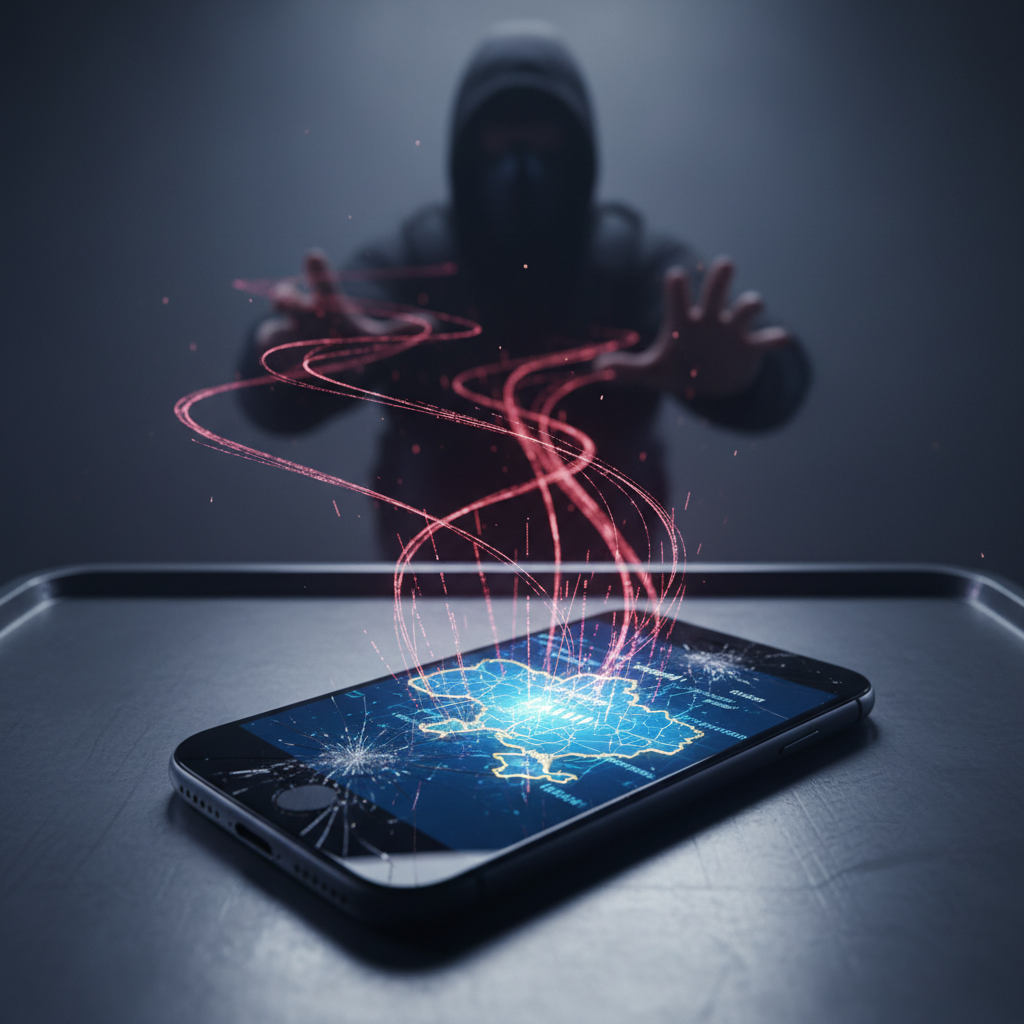
In a disturbing development that highlights the ongoing cyber warfare between Russia and Ukraine, cybersecurity experts have uncovered sophisticated iPhone hacking tools being used by Russian operatives to steal personal data from Ukrainian citizens. This revelation underscores the evolving nature of modern espionage and the increasing vulnerability of mobile devices to state-sponsored cyberattacks.
The Scope of the iPhone Hacking Operation
According to multiple cybersecurity firms tracking the situation, the Russian hackers have deployed advanced malware specifically designed to target iPhone users in Ukraine. These hacking tools represent a significant escalation in capability, as they can bypass Apple’s robust security measures that have historically made iPhones more secure than Android devices.
The malware appears to be distributed through multiple channels, including compromised websites popular among Ukrainians, malicious apps disguised as legitimate Ukrainian services, and even through SMS phishing campaigns. Once installed on a device, the hacking tools can extract a wide range of personal information, including:
- Contact lists and call logs
- Text messages and emails
- Location data and movement patterns
- Photos and videos
- Financial information stored in apps
- Passwords and authentication credentials
How the Advanced iPhone Hacking Tools Work
Cybersecurity researchers have identified several sophisticated techniques employed by these Russian hacking tools. Unlike traditional malware that requires users to jailbreak their devices, these new tools exploit previously unknown vulnerabilities in iOS, allowing them to operate without triggering Apple’s security systems.
One particularly concerning aspect is the malware’s ability to remain dormant until it detects specific trigger conditions, such as the device entering certain geographic locations or connecting to particular Wi-Fi networks. This stealth approach makes detection extremely difficult for average users.
The tools also employ advanced encryption to communicate with command-and-control servers, making it challenging for network monitoring systems to identify the data exfiltration. Researchers estimate that the development of these tools required significant resources and expertise, suggesting direct involvement from Russian state intelligence agencies.
Impact on Ukrainian Citizens and Organizations
The data theft campaign has had serious consequences for Ukrainian individuals and organizations. Government officials, military personnel, journalists, and activists appear to be primary targets, with the stolen information potentially being used for blackmail, surveillance, or to identify networks of resistance within Ukraine.
Ukrainian businesses have also reported incidents of intellectual property theft, with proprietary information and strategic plans being accessed through compromised devices. The economic impact extends beyond Ukraine, as many international companies with operations in the country have had sensitive data exposed.
Ukrainian cybersecurity authorities have issued urgent warnings to citizens, recommending enhanced security measures and caution when downloading apps or clicking on links. However, the sophistication of these hacking tools makes them particularly dangerous, as they can operate without obvious signs of compromise.
The Broader Context of Russian-Ukrainian Cyber Conflict
This iPhone hacking campaign is just the latest chapter in the ongoing cyber conflict between Russia and Ukraine that has intensified since Russia’s 2022 invasion. Ukrainian officials report that cyberattacks have become a daily occurrence, targeting critical infrastructure, government systems, and civilian communications.
The use of advanced mobile hacking tools represents a shift in Russian tactics, moving from broad, disruptive attacks to more targeted, intelligence-gathering operations. This approach allows Russians to map Ukrainian resistance networks, identify key individuals, and potentially plan more effective military or political operations.
Cybersecurity experts note that while Russia has a long history of cyber operations, the sophistication of these iPhone hacking tools indicates significant investment in mobile exploitation capabilities. This development has raised concerns among Western intelligence agencies about the potential for similar tools to be used against other nations.
Protecting Yourself from Advanced iPhone Hacking
For iPhone users concerned about these threats, cybersecurity professionals recommend several protective measures:
Keep your iOS updated: Apple regularly releases security patches that address newly discovered vulnerabilities. Enabling automatic updates ensures you receive these protections as soon as they become available.
Be cautious with app installations: Only download apps from the official App Store, and carefully review permissions requested by each application. Be particularly wary of apps that request access to contacts, location, or other sensitive data without clear justification.
Use strong authentication: Enable two-factor authentication on all accounts, and consider using a password manager to generate and store complex passwords. This makes it more difficult for hackers to access your accounts even if they obtain some credentials.
Monitor for unusual activity: Watch for signs of compromise such as unexpected battery drain, unexplained data usage, or strange behavior from your device. While these advanced hacking tools are designed to be stealthy, some indicators may still be detectable.
International Response and Future Implications
The international community has expressed grave concern over these developments. Western governments have condemned the Russian hacking operations and are working with Ukrainian authorities to identify and neutralize the threat. Several cybersecurity firms have also pledged to share intelligence about the hacking tools to help develop countermeasures.
Looking ahead, experts predict that mobile device exploitation will become increasingly central to state-sponsored cyber operations. As more sensitive information moves to mobile platforms, hackers from various nations are likely to invest in similar capabilities, potentially leading to an arms race in mobile security.
For Ukrainians specifically, the situation remains challenging. With limited resources compared to Russian cyber capabilities, Ukrainian defenders must rely on international support and innovative defensive strategies. The conflict has also highlighted the need for greater investment in cybersecurity education and infrastructure across Eastern Europe.
Conclusion
The discovery of advanced iPhone hacking tools being used by Russians to steal personal data from Ukrainians represents a significant escalation in cyber warfare tactics. This operation demonstrates the increasing sophistication of state-sponsored hacking and the growing vulnerability of mobile devices to exploitation.
As this cyber conflict continues to evolve, both individuals and organizations must remain vigilant about mobile security. The situation also underscores the broader geopolitical implications of cyber operations, where technological capabilities have become integral to modern conflicts.
For now, Ukrainians continue to face these sophisticated threats while the international community works to address the growing challenge of mobile device exploitation in state-sponsored cyber operations. The outcome of this technological battle may have profound implications for the future of cybersecurity and international relations.
Check out more on our blog page now → AI, Tech, Cybersecurity