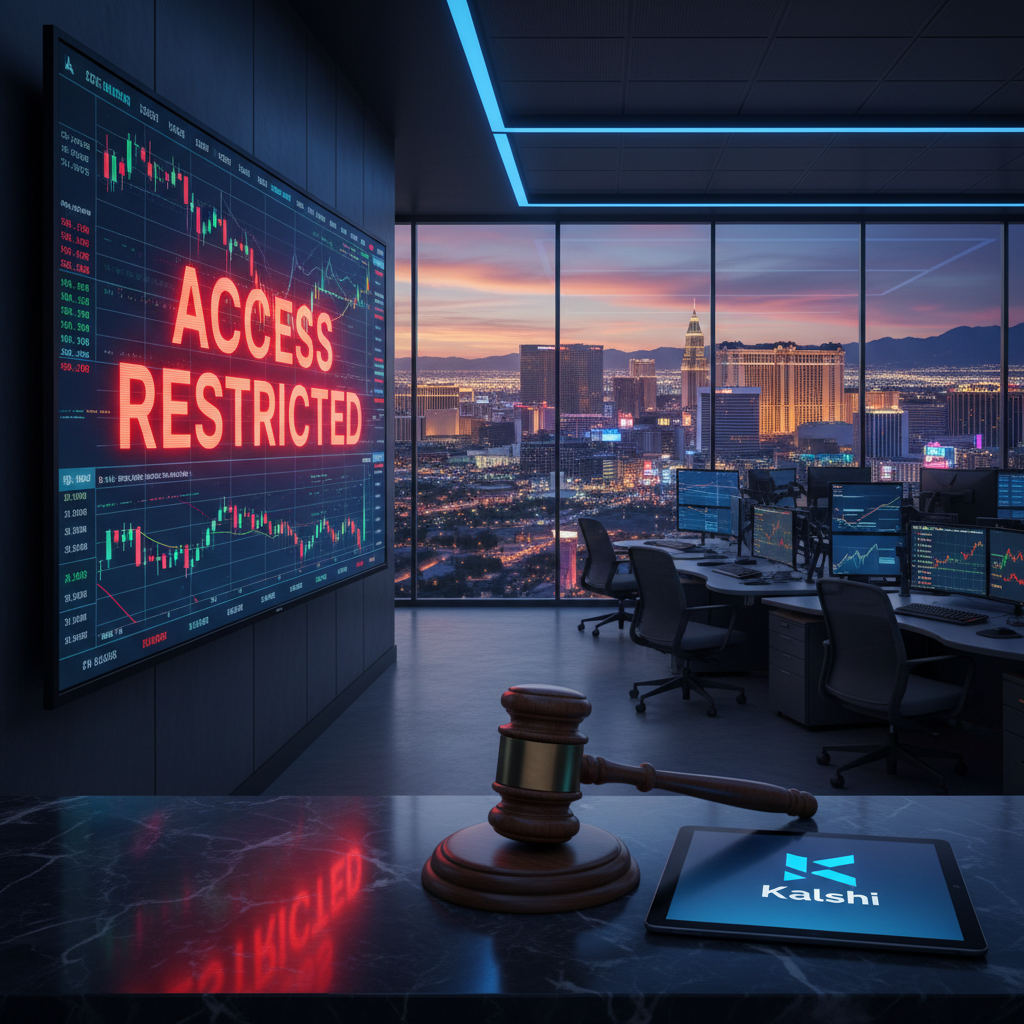
In a significant development for the prediction market industry, Kalshi, a prominent trading platform, has been temporarily banned in Nevada. This move comes amid ongoing legal turmoil that has raised questions about the future of such platforms and their operations within the United States.
The Rise of Kalshi
Kalshi, founded in 2018, quickly gained traction as a unique platform allowing users to trade on the outcome of real-world events. From political elections to economic indicators, Kalshi offered a novel way for individuals to engage with current affairs through financial markets. The platform’s innovative approach attracted a diverse user base, ranging from casual traders to seasoned investors.
Kalshi’s Business Model
At its core, Kalshi operates on a simple premise: users can buy and sell contracts that pay out based on the occurrence or non-occurrence of specific events. This model, while straightforward, has proven to be both popular and controversial. The platform’s ability to offer contracts on a wide range of topics, including political outcomes, has drawn both praise and criticism from various stakeholders.
The Legal Turmoil
The temporary ban in Nevada is the latest in a series of legal challenges facing Kalshi. The platform has been at the center of debates regarding the nature of prediction markets and their potential impact on traditional gambling and trading industries. Critics argue that such platforms could be used for manipulation or insider trading, while supporters maintain that they provide valuable market insights and democratize access to information-based trading.
Nevada’s Stance
Nevada, known for its strict gambling regulations, has taken a particularly cautious approach to Kalshi’s operations. The state’s gaming authorities have expressed concerns about the potential overlap between prediction markets and traditional betting activities. This temporary ban is seen as a precautionary measure while further investigations are conducted into the platform’s compliance with state laws.
Implications for the Industry
The ban on Kalshi in Nevada could have far-reaching implications for the prediction market industry as a whole. Other states may follow suit, potentially leading to a patchwork of regulations that could significantly impact the growth and accessibility of such platforms. This development also raises questions about the future of event-based trading and its place within the broader financial ecosystem.
Potential Outcomes
There are several potential outcomes to this situation. Kalshi may need to adapt its platform to meet specific state regulations, potentially limiting its offerings in certain jurisdictions. Alternatively, the company could challenge the ban in court, arguing for the legitimacy of its business model. The outcome of these legal battles could set important precedents for the entire industry.
The Future of Prediction Markets
As the legal landscape continues to evolve, the future of prediction markets remains uncertain. Platforms like Kalshi have the potential to revolutionize how we engage with and predict real-world events, but they must navigate a complex regulatory environment. The balance between innovation and regulation will be crucial in determining the long-term viability of these platforms.
Technological Advancements
Despite the current challenges, technological advancements continue to drive the prediction market industry forward. Improvements in data analytics, artificial intelligence, and blockchain technology could potentially address some of the concerns raised by regulators. These innovations may lead to more transparent and secure platforms that can better withstand regulatory scrutiny.
Public Opinion and Market Response
The temporary ban on Kalshi in Nevada has sparked a lively debate among users and industry experts. Many Kalshi users have expressed frustration with the decision, arguing that it limits their ability to participate in what they see as a legitimate form of trading. Others have welcomed the move, seeing it as a necessary step to ensure the integrity of financial markets.
Market Volatility
The news of the ban has also had an impact on related markets. Shares of companies involved in prediction markets and event-based trading have experienced increased volatility as investors try to gauge the potential long-term effects of these regulatory challenges. This market response underscores the interconnected nature of emerging financial technologies and traditional market structures.
Regulatory Considerations
As regulators grapple with the complexities of prediction markets, there is a growing need for clear and comprehensive guidelines. The challenge lies in creating a regulatory framework that protects consumers and maintains market integrity without stifling innovation. This delicate balance will be crucial in shaping the future of platforms like Kalshi.
International Perspectives
It’s worth noting that the regulatory approach to prediction markets varies significantly across different countries. While some nations have embraced these platforms, others have imposed strict limitations or outright bans. The contrasting approaches highlight the need for a nuanced understanding of the potential benefits and risks associated with event-based trading.
Conclusion
The temporary ban on Kalshi in Nevada represents a critical juncture for the prediction market industry. As legal turmoil continues to unfold, the future of platforms like Kalshi hangs in the balance. The outcome of this situation will likely have far-reaching implications for how we approach event-based trading and its role in our financial ecosystem.
While the road ahead may be uncertain, one thing is clear: the debate surrounding prediction markets is far from over. As technology continues to advance and public interest in these platforms grows, regulators and industry leaders will need to work together to find a path forward that balances innovation with consumer protection. The story of Kalshi and its legal challenges serves as a reminder of the complex interplay between emerging technologies, financial markets, and regulatory frameworks in our rapidly evolving digital age.
Check out more on our blog page now → AI, Tech, Cybersecurity