
Three Silicon Valley engineers have been charged with stealing critical trade secrets from Google and other tech giants, funneling them to Iran in a brazen insider plot. This case exposes vulnerabilities in the semiconductor world, where chip designs power everything from smartphones to military tech.
The Arrested Trio
Samaneh Ghandali, 41, her sister Soroor Ghandali, 32, and brother in law Mohammadjavad Khosravi, 40, all San Jose residents, faced a federal grand jury indictment. As Iranian nationals, they leveraged U.S. tech jobs: Soroor on a student visa, Samaneh a naturalized citizen, and Khosravi a green card holder with past Iranian army service. Arrested Thursday, they appeared in court that day, hit with conspiracy, theft, attempted theft of trade secrets, and obstruction charges from California’s Northern District U.S. Attorney’s Office. Penalties could reach 10 years per theft count, 20 for obstruction, and $250,000 fines each.
Stolen Tech Details
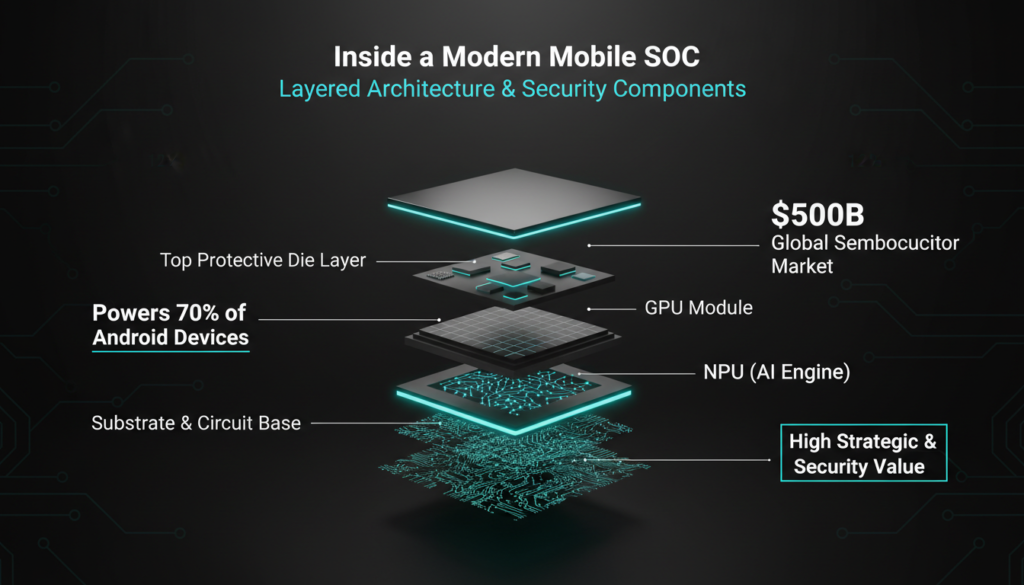
They targeted hundreds of confidential files on processor security and cryptography. Samaneh and Soroor moved from Google to “Company 3,” while Khosravi worked at “Company 2,” likely Qualcomm, creators of Snapdragon SoCs in Android flagships. These chips integrate CPUs, GPUs, modems, and memory for power efficiency vital for mobiles, IoT, and beyond. Prosecutors stressed their “economic value”: not public, hard for rivals to replicate, potentially worth billions in the $500+ billion chip market.
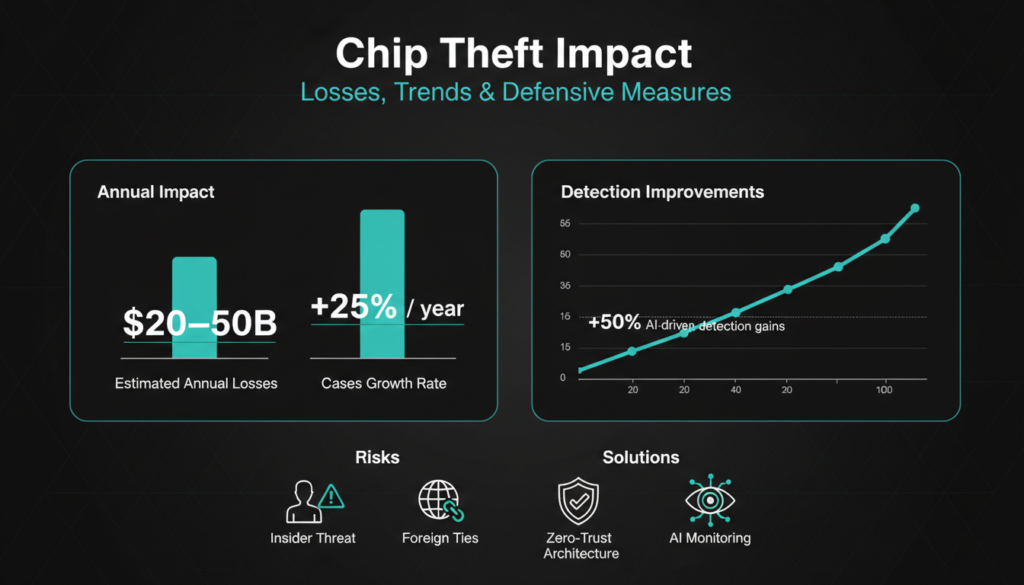
Semiconductors underpin global tech; theft here could boost Iran’s capabilities in encrypted comms or drones. U.S. firms lose $20-50 billion yearly to IP theft, per FBI data, with insiders enabling 20-30% of cases.
Google’s Swift Detection
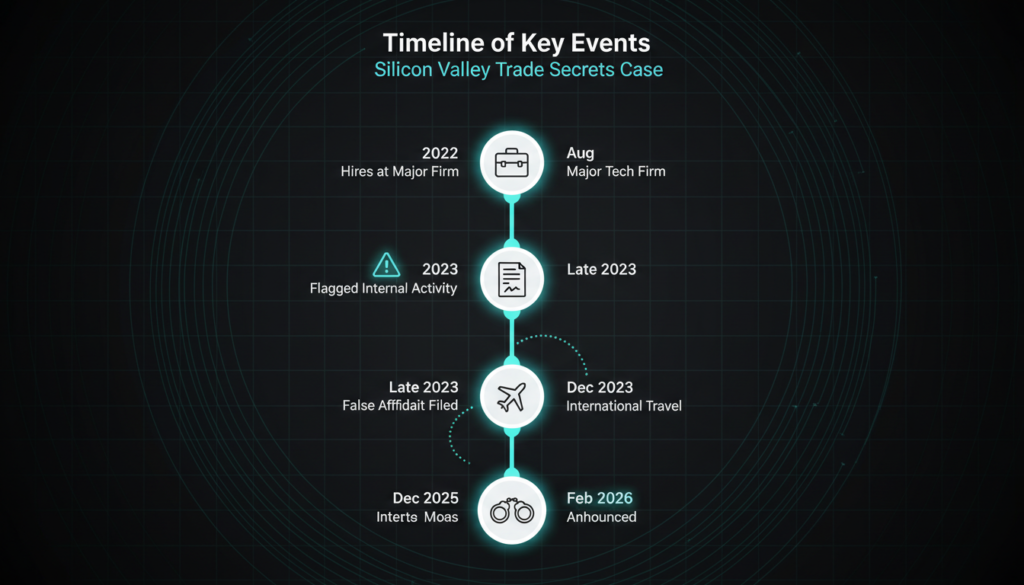
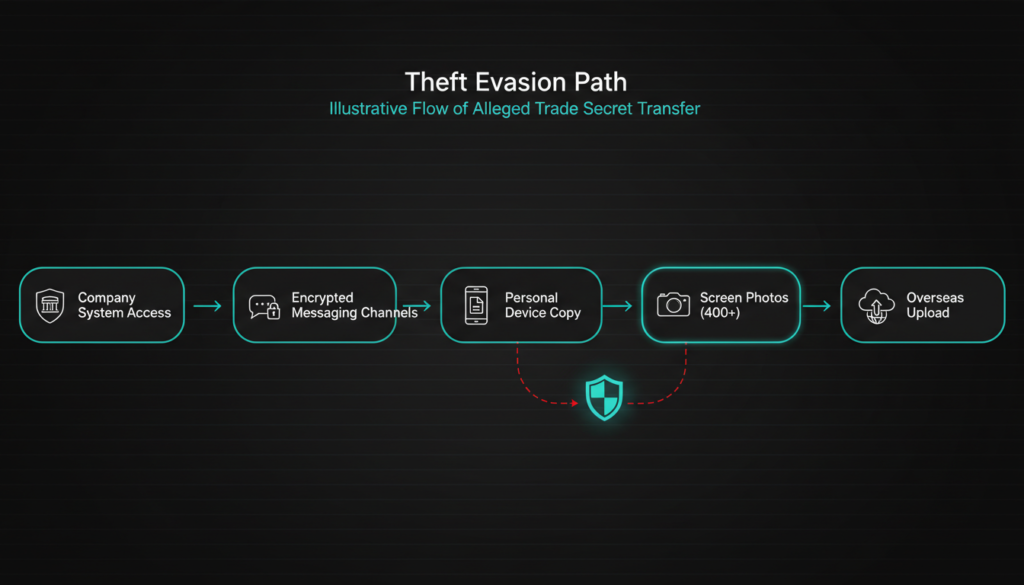
Routine monitoring caught Samaneh’s suspicious activity; Google revoked access in August 2023 and alerted feds. Spokesman José Castañeda highlighted safeguards: restricted access, 2FA, transfer logs for apps like Telegram. “We enhanced protections and acted fast,” he said. FBI’s Sanjay Virmani called their evasion “deliberate,” routing files via personal Telegram channels named after themselves.
Desperate Cover Up Moves
Post flag, Samaneh lied in an affidavit denying shares. Their laptop googled “delete communications” and carrier data retention. They photographed screens to skirt logs 24 shots of Khosravi’s Snapdragon docs night before their December 2023 Iran flight. There, her device viewed them; he accessed more architecture files. Screen-snapping surged 30% in insider cases since 2022, per cybersecurity reports.
Broader Espionage Patterns
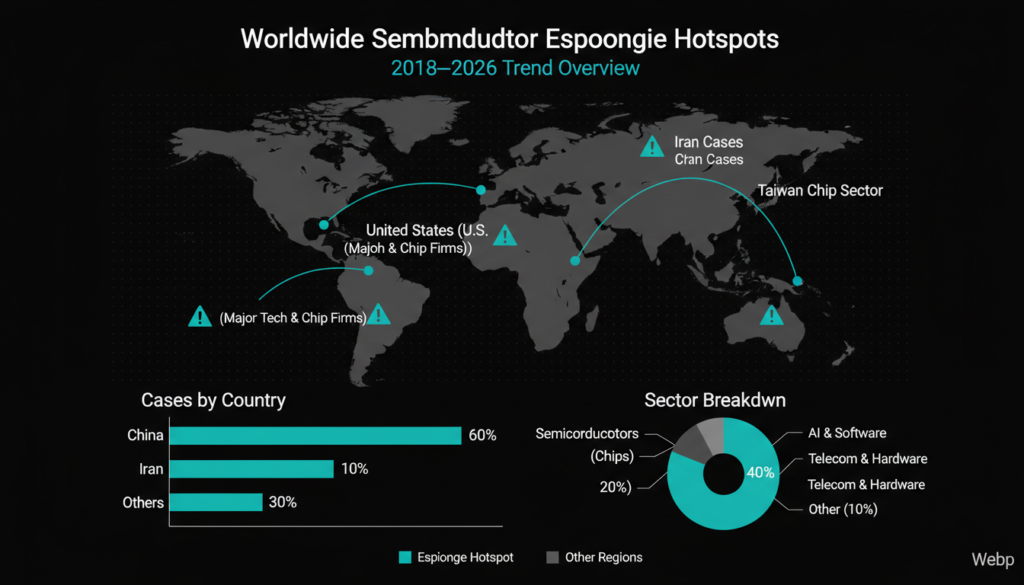
This fits a wave of semiconductor thefts under the Economic Espionage Act (1996), criminalizing trade secret misappropriation for foreign benefit. DOJ logs 1,200+ cases since 2018; chips lead due to tech wars. China dominates (e.g., Hao Zhang’s 2020 conviction for stealing from U.S. firms for PRC; UMC Fujian Jinhua DRAM leak), but Iran cases rise amid sanctions evasion.
Taiwan’s 2025 indictments of Tokyo Electron for TSMC theft mirror this, treating chips as national security assets. MMIC chip thefts for China/Russia show military apps: radar, EW. Iran’s interest? Sanctioned, they seek SoC tech for proxies or nukes.
Industry Wide Risks
Qualcomm invests $8B+ yearly in R&D; theft erodes U.S. leads amid CHIPS Act ($52B to onshore fabs). Insiders exploit trust 60% of breaches, says Verizon DBIR. AI monitoring now flags anomalies 40% faster; zero trust verifies all.
For India: Bangalore’s design hubs (e.g., Qualcomm India) face similar threats. U.S. India iCET pacts target IP protection; this could spur visa scrutiny for H-1B in chips.
Firms counter with watermarking docs, behavioral analytics, exit audits. Employees: NDAs bind forever; dual-use tech flags loyalty checks.
Lessons for Tech Pros
Know your data: Classify files, limit access. Train on ethics red flags like family ties abroad. Tools like DLP (data loss prevention) block uploads; EDRM tracks ex-employees.
Globally, this accelerates “friendshoring” U.S./India/Taiwan fabs vs. risky nations. Iran’s play? Bridge sanctions gaps for autonomous systems.
Road to Justice
Trial looms; outcomes could deport them, blacklist firms. Google/Qualcomm recover via injunctions, but damage lingers. Watch for pleas or intel ties.
This saga screams: In AI cyber eras, secrets are the new oil. Protect or perish.
Check out more on our blog page now → AI, Tech, Cybersecurity