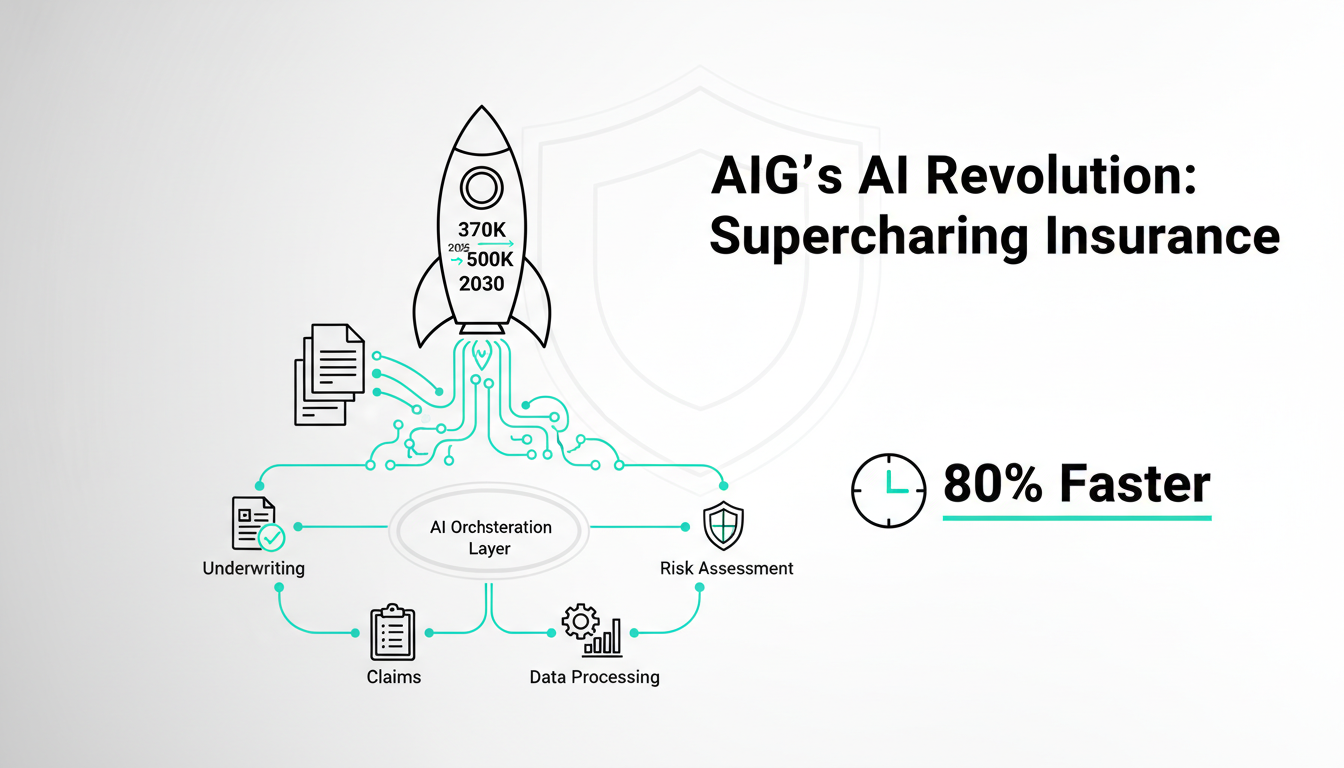
American International Group (AIG), a global insurance powerhouse, is seeing explosive results from generative AI far quicker than anticipated. At their recent Investor Day, AIG shared hard data on boosted underwriting capacity, slashed operating costs, and seamless portfolio integration. For AI leaders in finance and insurance, this isn’t hype; it’s proof of measurable workflow overhauls driving real business value.
Gen AI Delivers Surprise Speed
AIG’s CEO Peter Zaffino first called their generative AI goals “aspirational,” but recent updates paint a different picture. In the Q4 2025 earnings call, he revealed: “We’re seeing abilities much greater than expected.” The standout win? Processing submission flows at massive scale without hiring more staff. Zaffino highlighted this as the “biggest surprise,” with AI handling data extraction, summarization, and analysis in a fraction of the time.
By late 2025, AIG embedded gen AI into core underwriting and claims across most commercial lines via their in house tool, AIG Assist. This isn’t just automation it’s intelligent augmentation. According to industry analysts like Gartner, agentic AI like this could cut insurance processing times by 40-60% industry wide by 2027, aligning perfectly with AIG’s trajectory.
Smashing Submission Targets
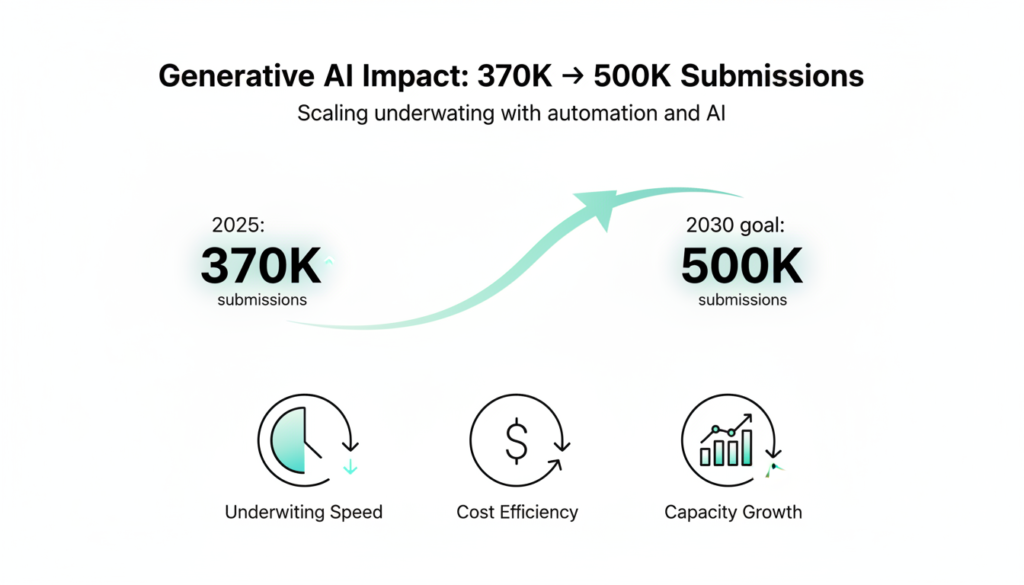
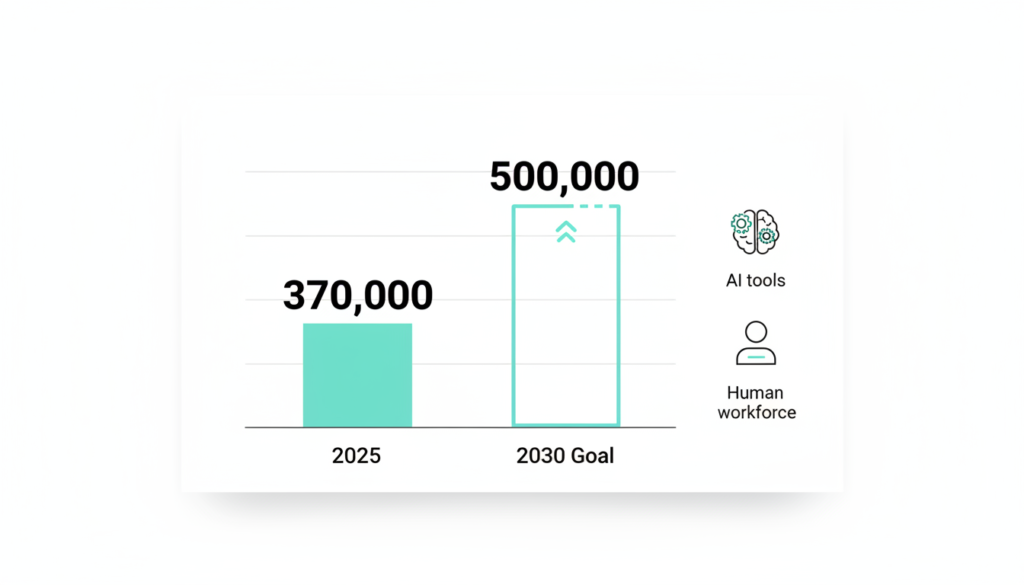
Take Lexington Insurance, AIG’s excess and surplus arm. Their 2030 goal? 500,000 submissions. They blew past 370,000 in 2025 alone, thanks to gen AI models that ingest, summarize, and prioritize incoming data. Zaffino credits an advanced “orchestration layer” in their tech stack, which coordinates multiple AI agents for smarter decisions and lower costs.
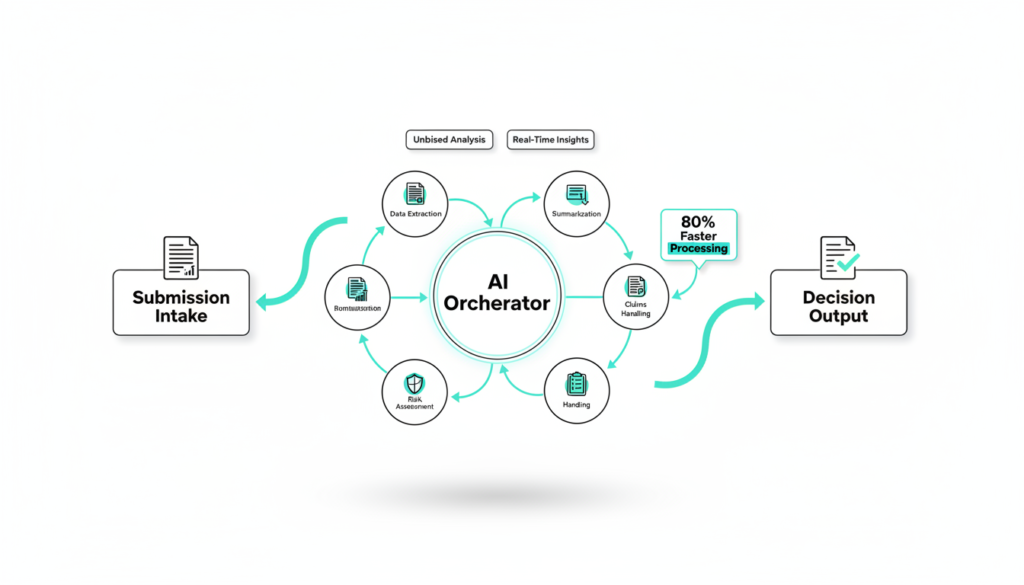
This orchestration is a game changer. Unlike past Investor Days, AIG now emphasizes AI agents as “companions” to human teams. These agents pull real-time data, reference historical cases, and even challenge underwriting choices to reduce bias. McKinsey reports that orchestrated AI in insurance can compress workflows by 30%, echoing AIG’s “front-to-back” integration from intake to claims streamlining what used to take weeks into hours.
AI Agents in Action
Picture this: AI agents orchestrated to handle repetitive tasks across the pipeline. They manage data influx at scale, analyze unbiasedly, and integrate seamlessly. AIG’s setup ensures agents don’t just react they collaborate, drawing on vast datasets for precision. Early results show cycle times slashed, with no added headcount, directly hitting the bottom line.
Real Deals Powered by AI
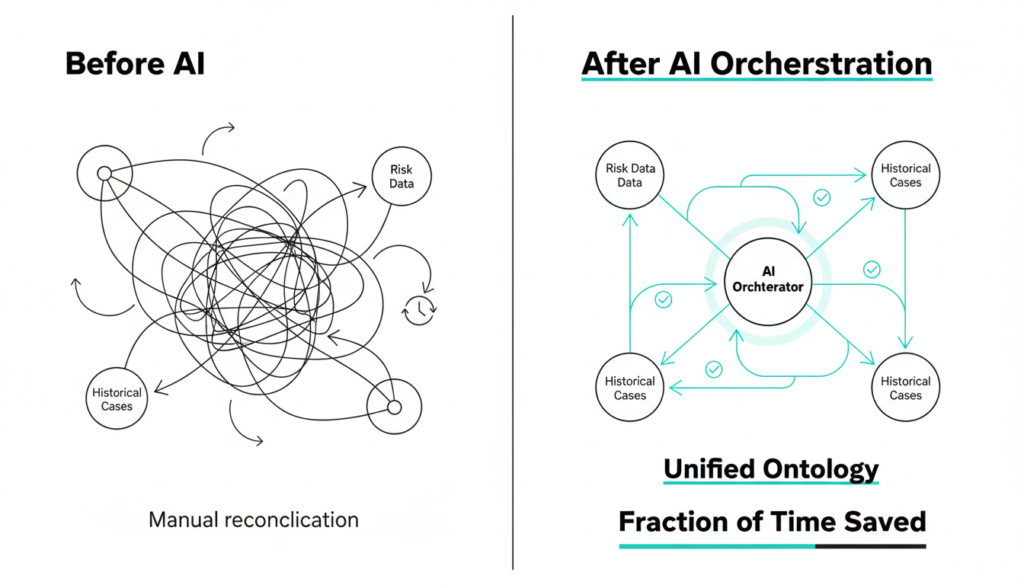
AIG put this tech to work in high stakes deals. During the Everest retail commercial portfolio conversion, AI prioritized renewals “in a fraction of the time.” They built a shared ontology essentially a structured knowledge map blending Everest’s assets with AIG’s. This ontological alignment, often a costly bottleneck, was accelerated by gen AI, enabling smarter portfolio blending.
Similarly, launching Lloyd’s Syndicate 2479 with Amwins and Blackstone involved Palantir’s large language models (LLMs). AI assessed if Amwins’ programs matched the syndicate’s risk appetite, proving the approach’s scalability. Zaffino noted a “strong pipeline of SPV opportunities,” signaling more AI driven ventures ahead. Deloitte’s 2025 insurance report underscores this: Firms using ontology driven AI see 25% faster M&A integrations, validating AIG’s edge.
Why Orchestration Matters
At its core, AIG’s success hinges on orchestration: Coordinating gen AI agents to overhaul workflows end-to-end. This isn’t siloed automation it’s a unified system compressing intake, assessment, and payouts. Benefits include scaled capacity (e.g., Lexington’s surge), cost reductions (via efficiency), and bias-free insights from historical data.
Expanding on this, Forrester predicts that by 2028, 70% of insurers will adopt agentic AI with orchestration, potentially unlocking $50B in annual value. AIG’s early wins faster submissions, portfolio speedruns offer a blueprint. Challenges remain, like data privacy in cyber heavy environments (critical for your cybersecurity readers), but AIG mitigates via secure, internal stacks.
Broader Industry Ripple
Beyond AIG, peers like Allianz and Zurich are piloting similar systems. Gartner’s 2026 forecast: Agentic AI will redefine 40% of insurance ops, with orchestration key to ROI. AIG’s transparency on metrics (throughput, cycle time) sets a benchmark, urging AI decision-makers to prioritize integration over isolated tools.
Lessons for AI Leaders
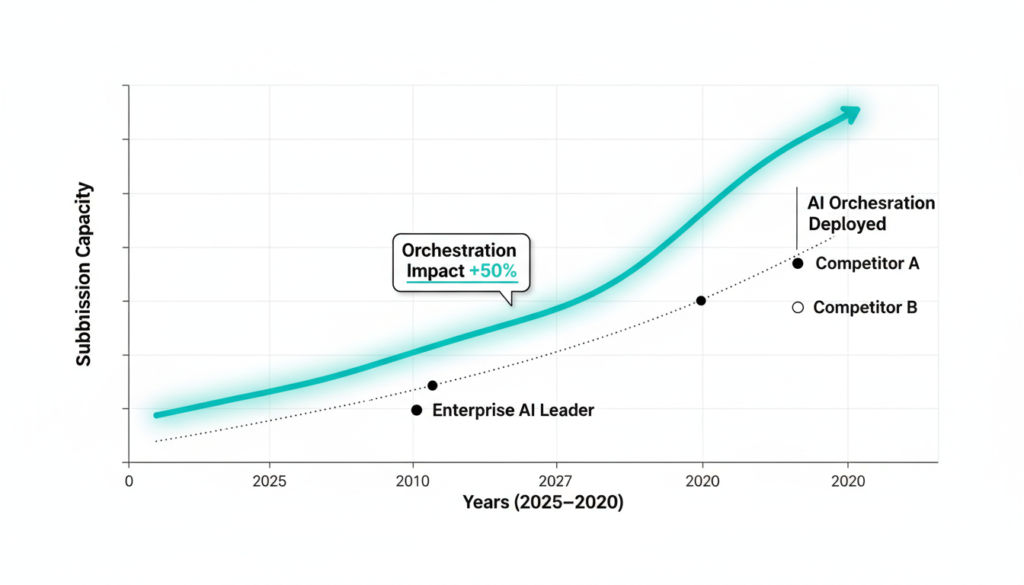
AIG proves gen AI’s economic punch when embedded deeply: Think capacity jumps without headcount bloat, workflows tightened by orchestration, and deals closed faster via smart ontologies. For finance AI adopters, focus on agent coordination it’s the multiplier. As Zaffino puts it, this scales “without additional human capital,” a massive unlock in talent scarce times.
Looking ahead, AIG plans wider rollout, eyeing claims and customer service next. With 2025 gains already outsizing projections, expect ripple effects across insurtech. Cybersecurity note: Their stack emphasizes secure data handling, vital amid rising AI related threats like model poisoning aligning with trends from your niche.
Check out more on our blog page now → AI, Tech, Cybersecurity