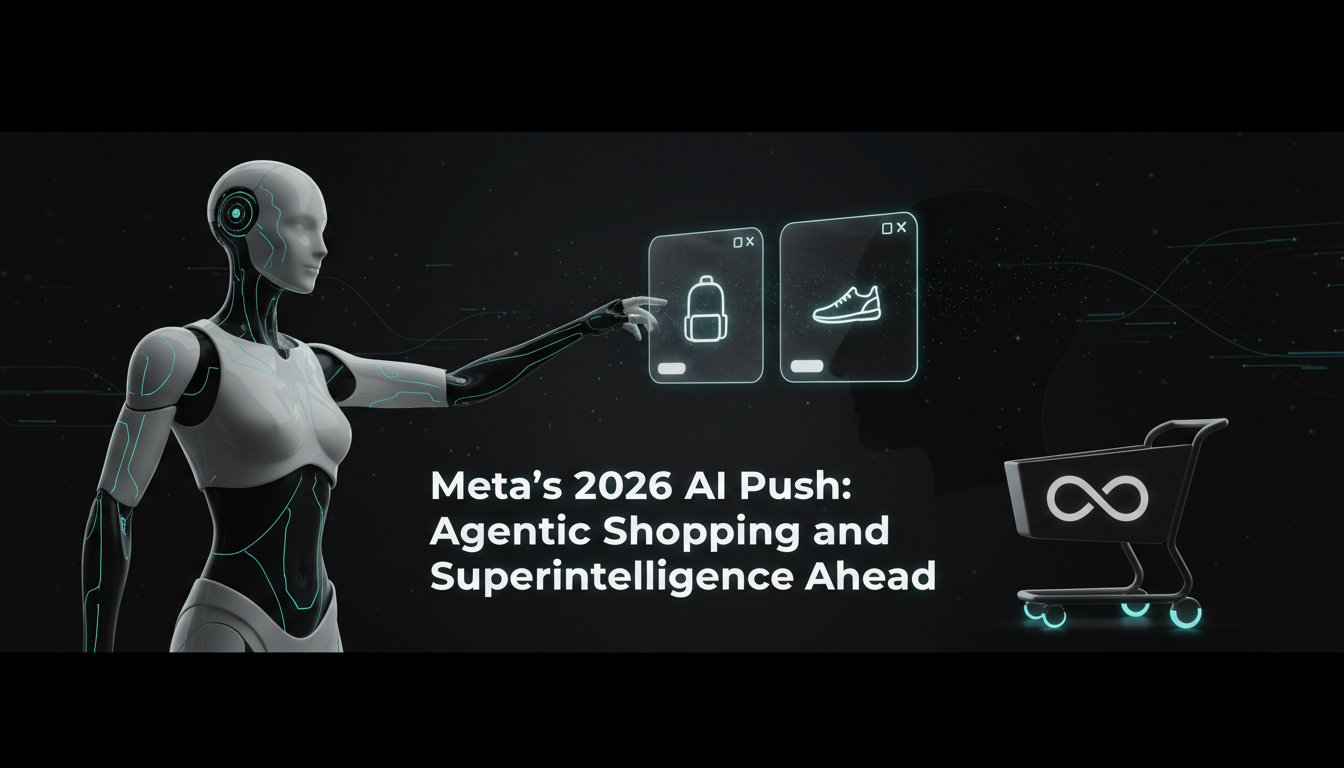
Mark Zuckerberg just dropped some exciting hints about Meta’s AI future during the company’s Q4 2025 earnings call. After laying strong groundwork in 2025, Meta plans to roll out powerful new AI models and products in the coming months. Expect steady advancements throughout 2026, with a big spotlight on “agentic commerce” AI agents that shop for you smarter and faster.
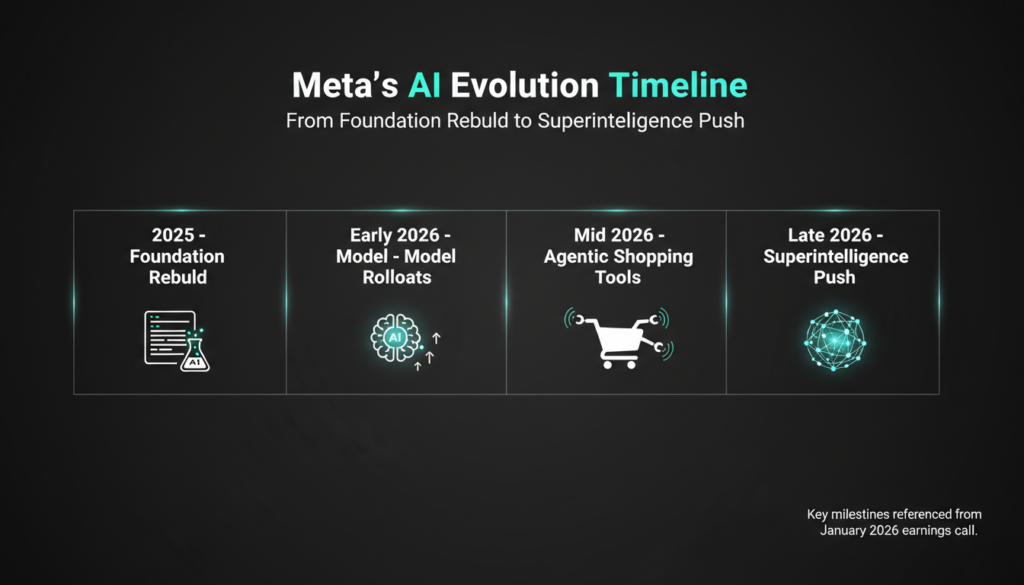
Agentic Shopping: AI That Knows You Best
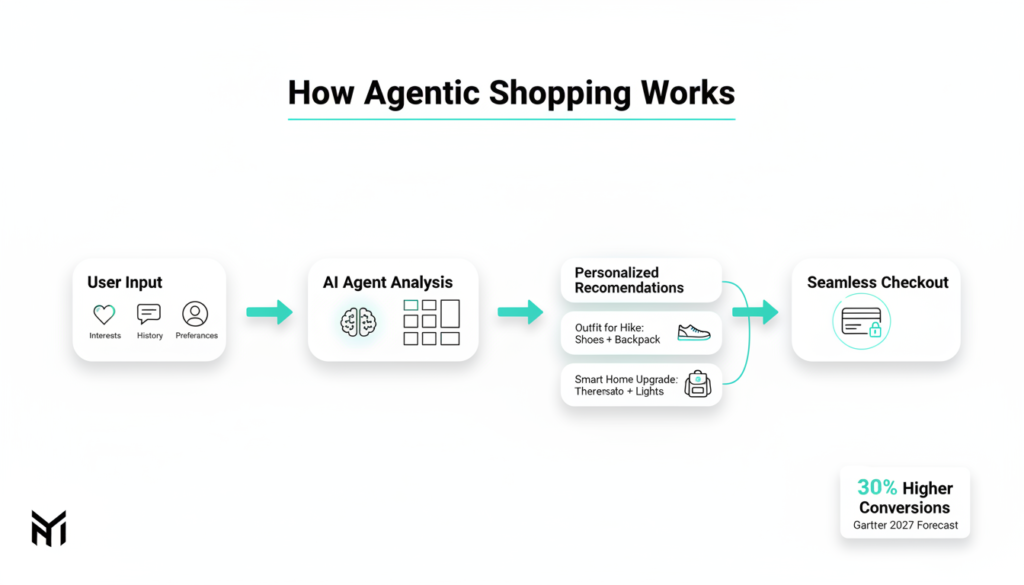
Zuckerberg emphasized how these AI agents will transform shopping on Meta platforms. Imagine tools that scour business catalogs to find the perfect products based on your unique tastes no more endless scrolling. “New agentic shopping tools will allow people to find just the right set of products,” he said. This builds on Meta’s edge: vast personal data from your history, interests, content, and relationships.
What makes this stand out? Unlike generic search engines, Meta’s agents promise hyper-personalization. Gartner predicts agentic AI in commerce could boost conversion rates by 30% by 2027, thanks to context aware recommendations. Meta’s acquisition of Manus in December 2025 supercharges this Manus specializes in general purpose agents that Meta will integrate while keeping their service running independently. Early tests show these agents handling complex tasks like comparing prices across vendors or bundling outfits based on your Instagram likes.
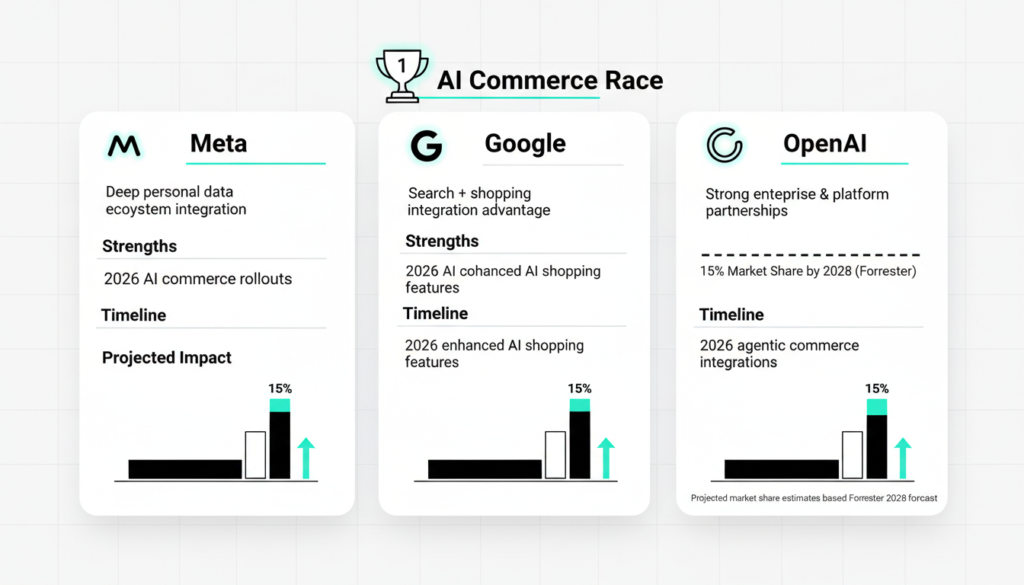
Industry Race: Meta Joins Google and OpenAI
Meta isn’t alone in this AI shopping sprint. Google launched a protocol for agent driven purchases in late 2025, letting AI handle transactions autonomously. OpenAI followed with their own system, partnering with Stripe and Uber for real world tests. These platforms enable “agentic transactions,” where AI negotiates deals or books services without human intervention.
According to a 2026 Forrester report, AI commerce agents could capture 15% of e-commerce by 2028, driven by speed and relevance. Meta’s twist? Its social data goldmine. While competitors build from scratch, Meta leverages billions of user interactions daily. Think Facebook Marketplace on steroids: an AI that remembers you bought running shoes last year and suggests upgrades based on your fitness posts.
Critics worry about privacy, but Meta argues personalized context is the killer feature. Early demos from similar tools (like OpenAI’s) show agents reducing cart abandonment by 25% through proactive suggestions, per industry benchmarks.
Meta’s Data Advantage in Action
Personalization is key. Zuckerberg noted, “A lot of what makes agents valuable is the unique context they can see.” Meta’s AI will draw from your full digital life posts, messages, photos to deliver spot on recs. For instance, if you’re into sustainable fashion and followed eco-brands, the agent might curate a zero waste wardrobe from Instagram shops.
Adding depth: Benchmarks from McKinsey’s 2026 AI report highlight how context rich agents outperform basic ones by 40% in user satisfaction. Meta’s Llama models, already open source leaders, will power this, evolving into “personal superintelligence” for everyday tasks.
Massive Investments Fuel the Fire
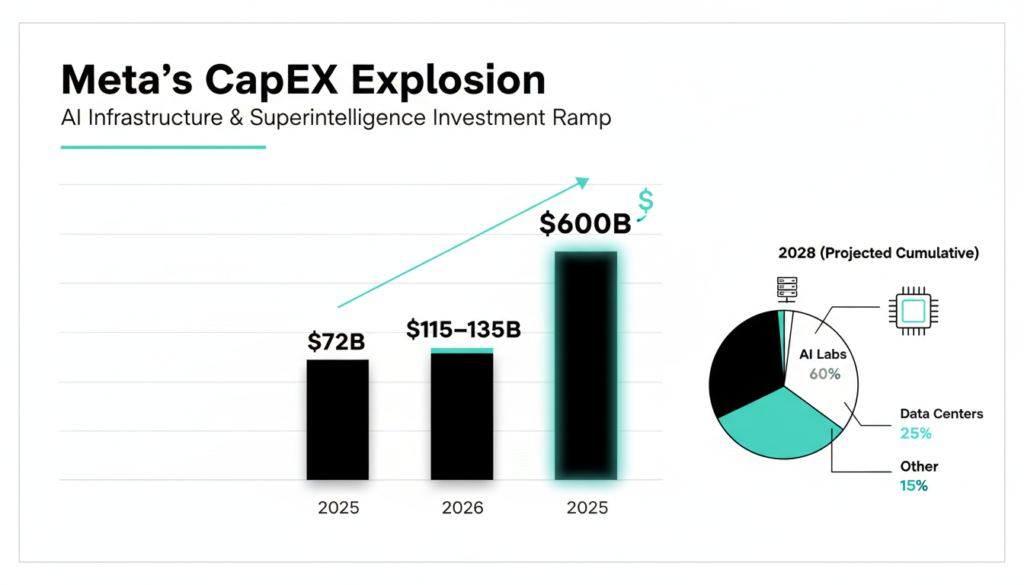
To make it happen, Meta’s opening the wallet wide. Capital expenditures will hit $115-135 billion in 2026, up from $72 billion last year. This funds the Meta Superintelligence Labs, restructured in mid 2025 for aggressive AI R&D. It’s a bet on infrastructure: more GPUs, data centers, and talent to train frontier models.
Context from sources: This spend aligns with industry giants Nvidia reported AI chip demand surging 200% YoY in Q1 2026. Zuckerberg eyes even bigger: reports suggest $600 billion through 2028. Investors have griped about unclear ROI, but Q4 2025 earnings showed revenue up 22% to $45 billion, with AI ads contributing 15% growth.
ROI Questions and Investor Pushback
Not everyone’s cheering. Past critiques focused on vague paths from AI spend to profits. Yet, Zuckerberg promises 2026 as a “big year” for business acceleration. Early wins: AI powered ads already boosted engagement 18% in tests, per Meta’s filings. Long term, agentic tools could unlock new revenue via commissions on AI brokered sales.
2026: Superintelligence Goes Public
Wrapping up the call, Zuckerberg envisioned “personal superintelligence” hitting users soon AI that thinks, acts, and collaborates like a super smart assistant. This includes workplace tools reshaping Meta internally first, then outward. With Manus tech folding in, expect agents for scheduling, research, even creative brainstorming.
Broader impact: IDC forecasts agentic AI adding $4.4 trillion to global GDP by 2030. Meta’s push could redefine social commerce, blending shopping with social feeds seamlessly. Stay tuned 2026 might be the year AI truly feels personal.
Meta’s blending AI muscle with everyday utility. As a tech blogger tracking these shifts, I’m bullish this could supercharge e-commerce while raising big questions on data ethics. What do you think: game changer or privacy pitfall?
Check out more on our blog page now → AI, Tech, Cybersecurity