The artificial intelligence landscape is experiencing a seismic shift as new players emerge and established giants restructure to maintain their competitive edge. At the heart of this transformation are two contrasting yet equally impactful developments: the rise of cost-effective Chinese AI models and the dramatic restructuring of tech giants to fund massive AI infrastructure investments.
The DeepSeek Revolution: High Performance at Unprecedented Low Costs
In recent months, DeepSeek has emerged as a formidable force in the AI industry, challenging the established Western dominance with a compelling value proposition: cutting-edge AI capabilities at a fraction of the traditional cost. This Chinese AI company has managed to develop models that rival the performance of industry leaders while significantly reducing the financial barrier to entry.
What makes DeepSeek‘s approach particularly disruptive is their optimization of both hardware utilization and algorithmic efficiency. By leveraging innovative training techniques and perhaps most importantly, by optimizing for the specific hardware constraints they face, they’ve managed to deliver impressive results without requiring the massive computational resources that Western companies typically employ.
The implications of this development extend far beyond just cost savings. For businesses and developers around the world, DeepSeek‘s models represent an opportunity to access sophisticated AI capabilities without the billion-dollar price tags that have traditionally been associated with frontier AI development. This democratization of access could accelerate AI adoption across industries and geographies that previously found the technology prohibitively expensive.
Meta’s Bold Restructuring: Betting Big on AI Infrastructure
While DeepSeek is making waves with cost-effective solutions, Meta is taking a dramatically different approach to secure its position in the AI race. The social media and technology giant has announced plans for significant workforce reductions, potentially cutting up to 20% of its employees, with the explicit goal of freeing up resources for massive AI infrastructure investments.
This restructuring represents one of the most dramatic examples of a tech company prioritizing AI development over other business areas. Meta’s leadership appears convinced that the future of their business and indeed, the future of technology lies in building out robust AI capabilities, even if it means making painful short-term decisions.
The scale of Meta’s planned AI infrastructure investments is staggering. The company is reportedly looking to pour billions into data centers, specialized AI chips, and research and development. This investment will likely focus on areas such as large language models, computer vision systems, and the infrastructure needed to support increasingly sophisticated AI applications across their suite of products.
The Global AI Competition Intensifies
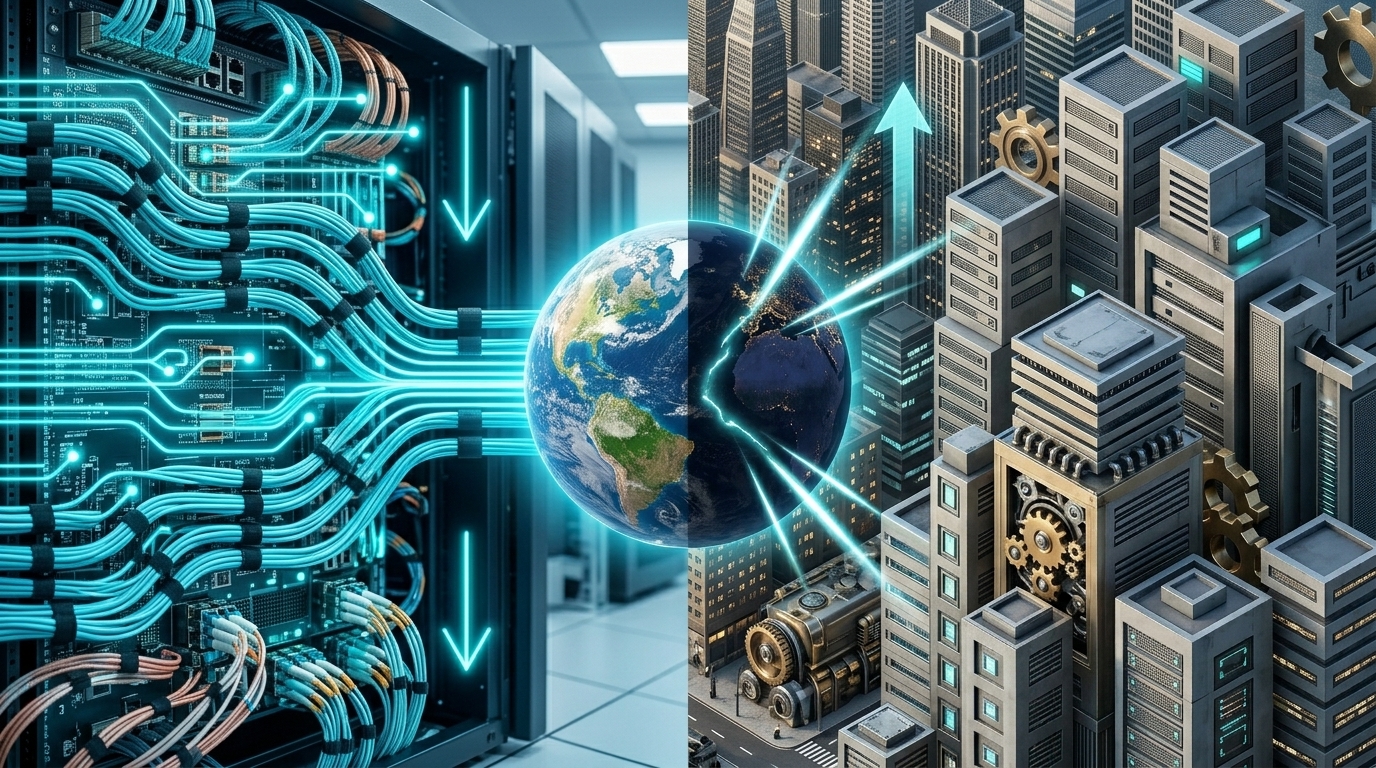
These developments highlight a broader trend in the global AI race. Western companies like Meta are doubling down on their investments, betting that massive infrastructure and research spending will secure their competitive advantages. Meanwhile, Chinese firms like DeepSeek are demonstrating that alternative approaches focused on efficiency and cost optimization can produce competitive results.
This divergence in strategies reflects different market conditions, regulatory environments, and business philosophies. Western companies often have access to more advanced hardware and larger capital reserves, allowing them to pursue brute-force approaches to AI development. Chinese companies, facing different constraints, have developed innovative workarounds that challenge conventional wisdom about what’s required to build state-of-the-art AI systems.
Implications for the AI Industry
The contrasting approaches of DeepSeek and Meta are likely to have several significant implications for the AI industry:
Accelerated Innovation: The competition between different approaches to AI development will likely accelerate innovation across the board. As companies see what’s possible with different strategies, they’ll adapt and incorporate successful techniques from competitors.
Cost Dynamics: DeepSeek‘s success in offering high-performance models at lower costs may force other companies to reevaluate their pricing strategies and development approaches. This could lead to a more competitive market with better value for customers.
Geopolitical Considerations: The rise of competitive Chinese AI companies adds another dimension to the already complex relationship between technology and geopolitics. Questions about data privacy, security, and national competitiveness are likely to become even more prominent.
Workforce Transformation: Meta’s restructuring highlights how the AI revolution is changing the nature of work in tech companies. As AI systems become more capable, the human workforce is being reorganized around these new capabilities, with some roles being eliminated while others are created.
What This Means for Businesses and Developers
For businesses and developers working with AI, these developments create both opportunities and challenges. On the positive side, the increased competition and diversity of approaches mean more options and potentially better value. Companies like DeepSeek are making sophisticated AI accessible to organizations that previously couldn’t afford it, while companies like Meta are pushing the boundaries of what’s possible with massive investments.
However, this rapidly evolving landscape also requires businesses to be more strategic and adaptable in their AI adoption. The technology is advancing so quickly that solutions that seem cutting-edge today may be obsolete in a matter of months. Companies need to build flexibility into their AI strategies and stay informed about emerging developments.
Looking Ahead: The Future of AI Competition
The contrasting strategies of DeepSeek and Meta represent two viable paths forward in the AI industry, and it’s likely that both will continue to evolve and influence each other. We may see Western companies adopting more of the efficiency-focused approaches that have worked well for Chinese firms, while Chinese companies continue to innovate in ways that challenge Western assumptions about AI development.
What’s clear is that the AI industry is becoming increasingly competitive and dynamic. The days of a few Western companies dominating the field are giving way to a more diverse ecosystem where different approaches and different regions contribute to rapid advancement. This increased competition is ultimately good for the field, as it drives innovation and makes the benefits of AI more widely accessible.
As we look to the future, the developments we’re seeing now from DeepSeek‘s cost-effective models to Meta’s massive infrastructure investments are likely just the beginning. The AI industry is still in its early stages, and the strategies being developed today will shape the technology landscape for decades to come. Whether through efficiency and cost optimization or through massive infrastructure investments, companies are racing to secure their positions in what many believe will be the defining technological revolution of our time.
The transformation we’re witnessing isn’t just about technology it’s about how companies organize themselves, how they compete, and how they envision the future. As DeepSeek and Meta chart their different courses, they’re not just building AI systems; they’re helping to define what the AI-powered future will look like.
Check out more on our blog page now → AI, Tech, Cybersecurity